
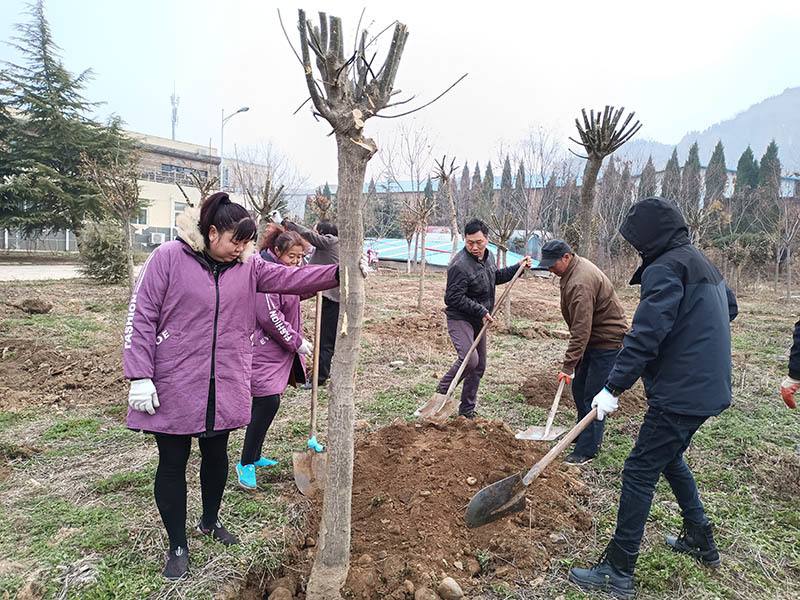
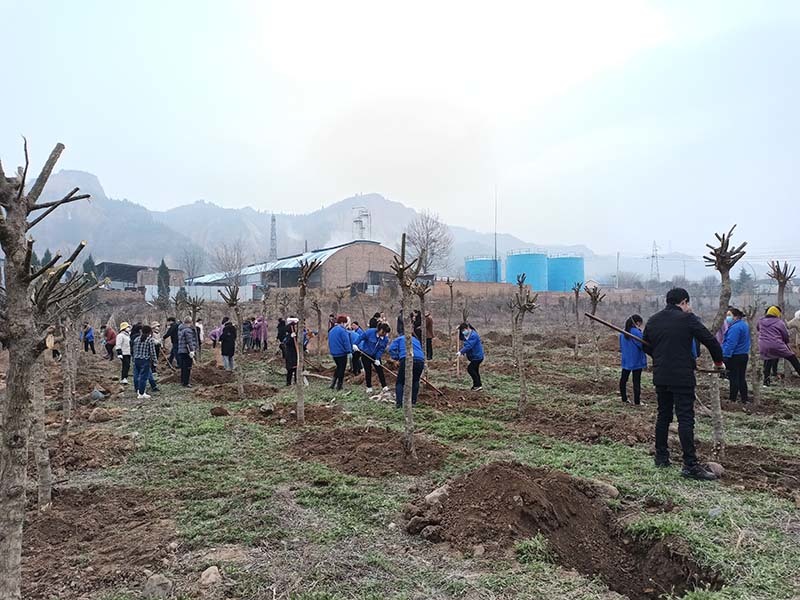
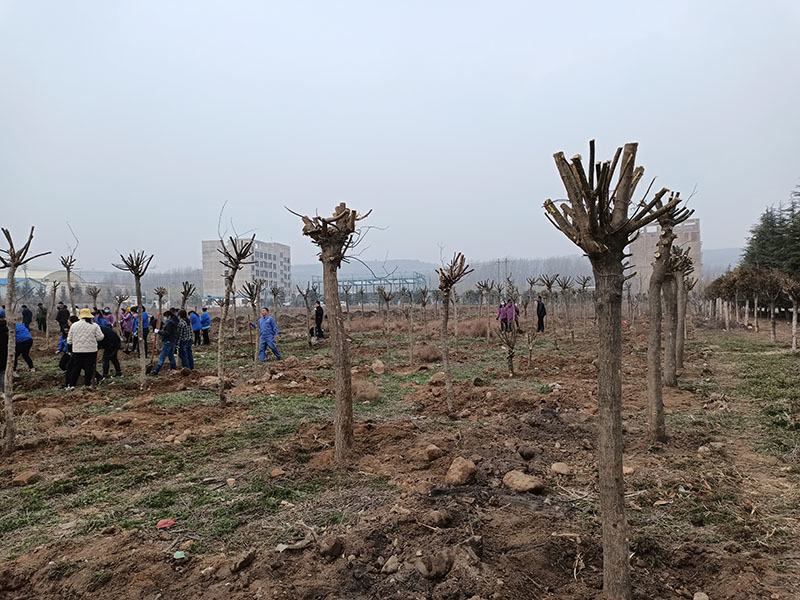
On Arbor Day, 2,500 double-season locust trees were planted in the group factory area.
Ten miles of spring breeze and blooming flowers
Grass grows and orioles fly during tree planting season
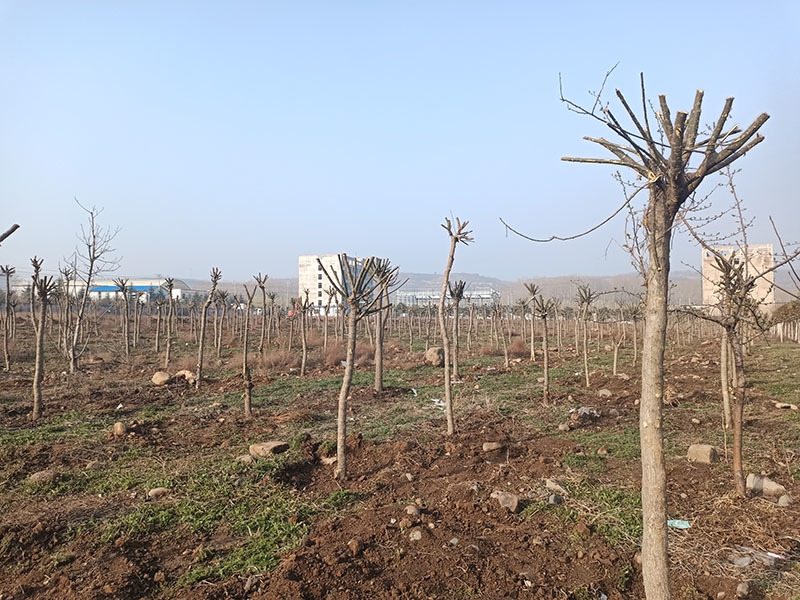
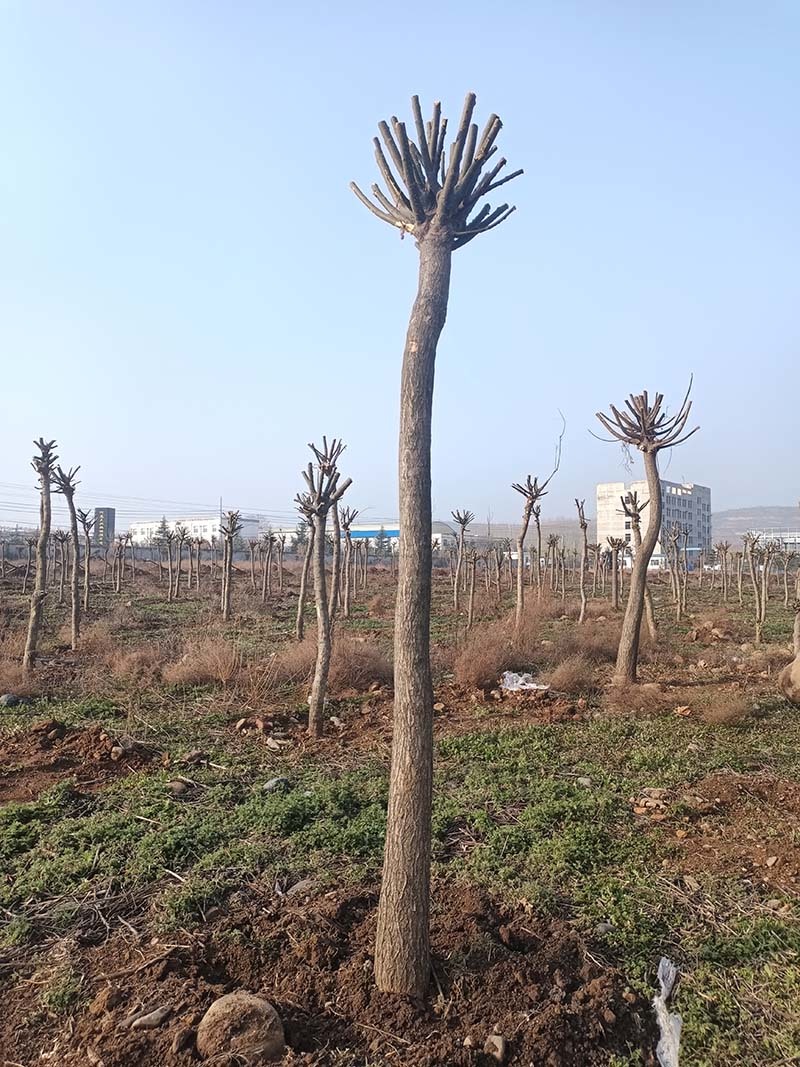
The annual Arbor Day has arrived as scheduled. On such a vibrant spring day with green grass, people from all walks of life are preparing for tree planting. Today, the group company led employees to hold a tree planting event on 50 acres of land behind the factory area, where 2,500 double-season locust trees were "settled".
Planting a "Tree of Hope"
The Past and Present of the Double-Season Locust Tree 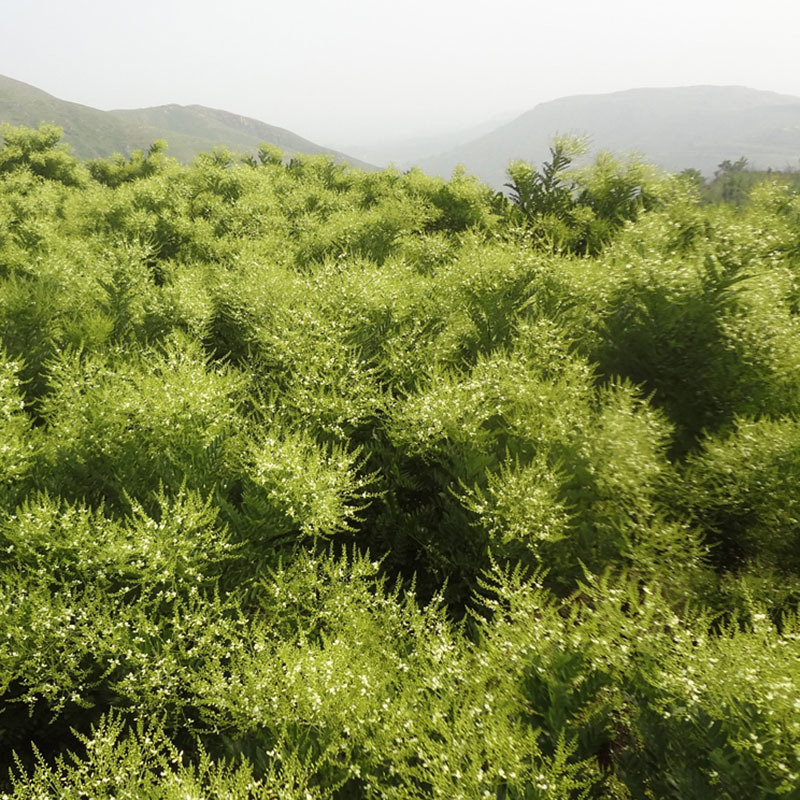
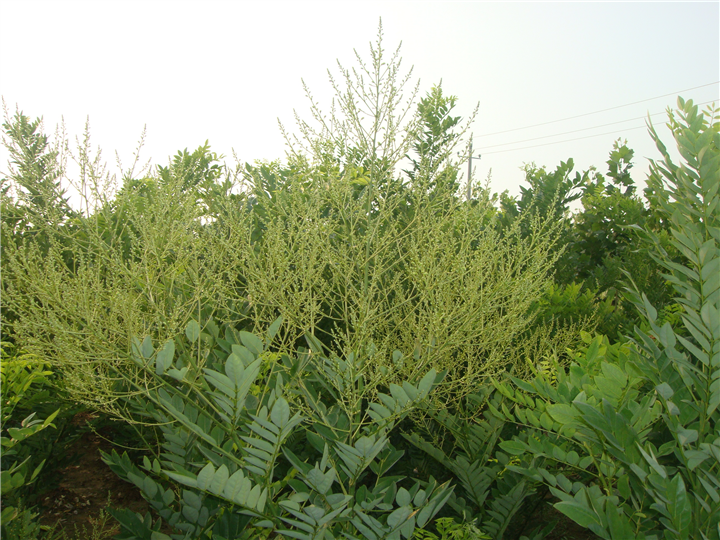
The double-season locust is a new type of locust tree that can grow two seasons of locust seeds in one year. It was developed by Lei Maoduan, the village committee secretary of Goudong Village, Sanluli Town, Yanhu District, Yuncheng City, Shanxi Province, after 18 years of research from the national locust tree species. It combines the national locust's characteristics of liking sunlight, drought resistance, and tolerance to poor soil, while overcoming the drawbacks of the national locust's long growth cycle, slow seed production, and low yield. It has now become a "money tree" for poverty alleviation and prosperity in arid areas.
Past life: National locust, tenacious and selfless
The national locust tree is tall, providing shade and shelter, guarding a region. Its bark, branches, leaves, flower buds, flowers, and seeds can all be used medicinally. The flowers and pods have cooling, astringent, hemostatic, and blood pressure-lowering effects; the leaves and root bark have heat-clearing and detoxifying properties, useful for treating sores and toxins; the wood is used for construction; the seeds contain starch, which can be used for brewing, glue, or feed. It holds important value in landscaping, ornamental use, medicine, and economy, deeply loved by people.
People's admiration for the locust tree has existed since ancient times. In classical Chinese, the character for locust (槐) is linked to official ranks; for example, "huaiwei" refers to the position of the Three Dukes, and "huaichan" denotes high-ranking officials and nobles. Thus, the locust tree became a symbol of the ancient Three Dukes and prime ministers, earning the respect of countless scholars. Additionally, because "huai" (槐) sounds similar to "kui" (魁), people hoped their descendants would be blessed by the God of Examinations (Kui Xing) to succeed in the imperial examinations, making the locust tree a symbol of auspicious academic achievement. The migration of the great locust tree from Hongtong during the early Ming dynasty further reinforced the locust tree as a symbol of ancestral remembrance.
Present life: Double-season locust, golden drought land, benefiting the region
The double-season locust has been able to break away from its predecessor, the national locust, and find a new path, becoming an important economic tree species in arid areas mainly because of its high yield and short growth cycle. The double-season locust can be harvested twice a year: the first in early to mid-July, the second in mid to late September, with yields far exceeding the national locust; it has strong early fruiting ability, completely changing the history of ordinary national locusts that only bear seeds after seven or eight years. The new varieties Mi Huai No. 8 can bear seeds in the year of planting for some seedlings, and Mi Huai No. 21 bears seeds in the second year; the double-season locust grows vigorously and rapidly. In waterless mountainous drought land, grafted seedlings can reach over 1.5 meters in the first year, and two-year-old trees can have a breast diameter of 2.5 centimeters, with production speed significantly surpassing ordinary national locusts.
Future: Locust seeds, health and wellness, benefiting the nation
The economic value of planting double-season locust mainly comes from the flower buds, known as locust seeds. Locust seeds, also called rutin, are rich in content and an important traditional Chinese medicine material. They have effects of dilating blood vessels, preventing strokes, specifically treating cardiovascular and cerebrovascular diseases, and also lowering blood pressure, blood lipids, and blood sugar. The "Shennong's Classic of Materia Medica" has long listed it as a superior medicine, and subsequent herbal texts have each favored it.
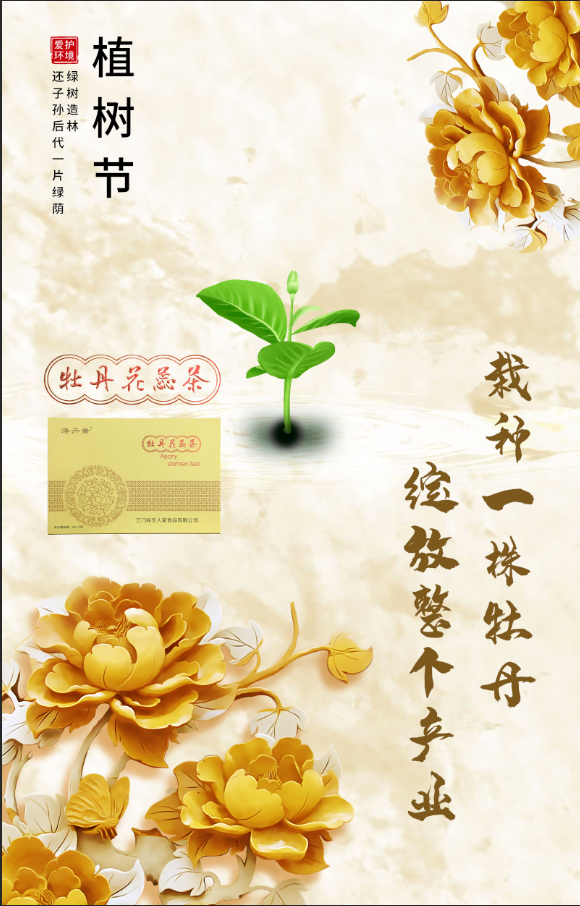
Sanmenxia Lerenjia Food Co., Ltd. is a large agricultural and health industry group integrating seedling cultivation, planting, research and development, production, sales, and services. The primary agricultural sector owns nearly 200,000 acres of planting bases, mainly including walnut trees, oil peony, and yuanbao maple among other agricultural and forestry crops. The year's plan starts in spring; every Arbor Day, the group company conducts a new round of tree planting and greening in the factory area, while also loosening soil, plowing, watering, and fertilizing the agricultural planting bases again. Sowing seeds of hope, embracing the entire spring.
Arbor Day — Lerenjia uses action every year to bring lush greenery, allowing you to have a healthy life.
Hotline
Email: btgj6666@163.com
Address: Houjiagou, Jiaokou Township, Hubin District, Sanmenxia City

Copyright © Sanmenxia Lerenjia Food Co., Ltd.
Powered by :www.300.cn Supported IPV6 Privacy Agreement