
On the fifteenth day of the first lunar month, light a heart lamp, wishing peace and health to all.
This year's Lantern Festival falls on February 26, 2021, the fifteenth day of the first lunar month in the Xin Chou year, Friday.
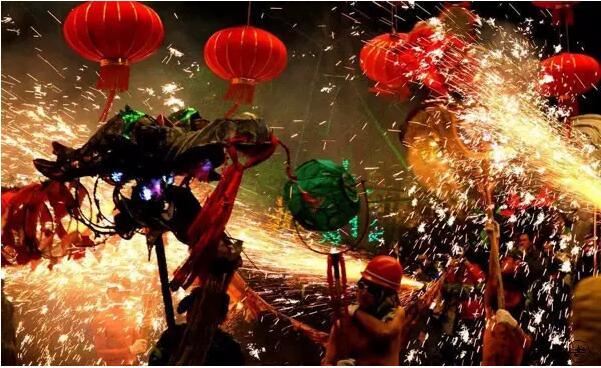
The Lantern Festival on the fifteenth day of the first lunar month, also known as the "Shangyuan Festival" or Lantern Festival, is the first important festival after the Spring Festival. The first lunar month is the first month of the lunar calendar, and ancient people called the night "Xiao," so the first full moon night of the year, the fifteenth day of the first lunar month, is called the Lantern Festival.
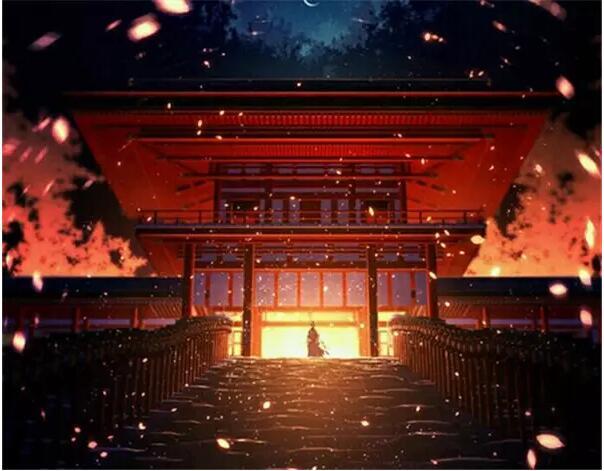
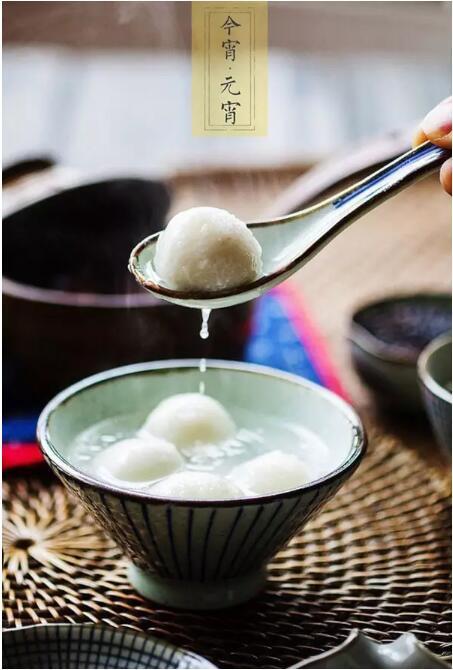
The Lantern Festival carries the Chinese people's wish for reunion and happiness. Today, the whole family eats tangyuan together. "Tangyuan" sounds similar to "reunion," symbolizing unity and harmony.
Among traditional Chinese festivals, the Lantern Festival is the only romantic festival and is also the ancient Chinese Valentine's Day.
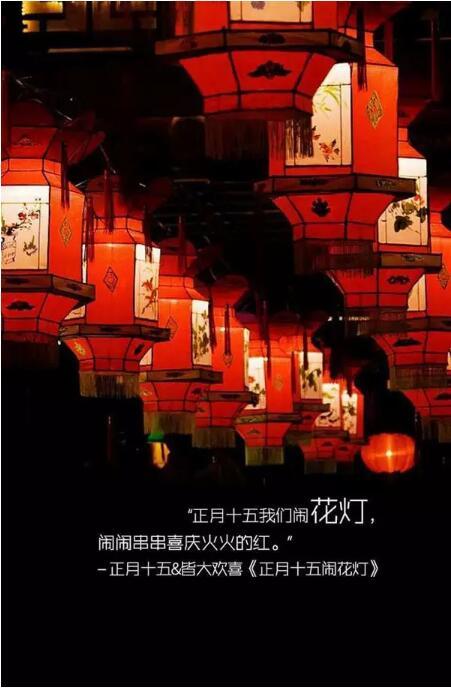
In ancient times, women would not leave their chambers for three steps, and only during the Lantern Festival were they allowed to go out in groups to enjoy the lanterns. This provided opportunities for men and women to meet, so the Lantern Festival also created countless good matches and beautiful relationships.
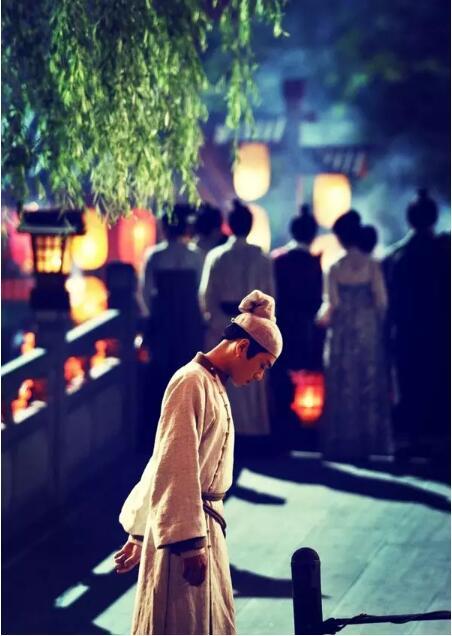
The lights of the Lantern Festival become a grand backdrop for love stories, where people seek the one they fall in love with at first sight amidst the lively atmosphere, capturing the most beautiful moments on the night of the Lantern Festival.
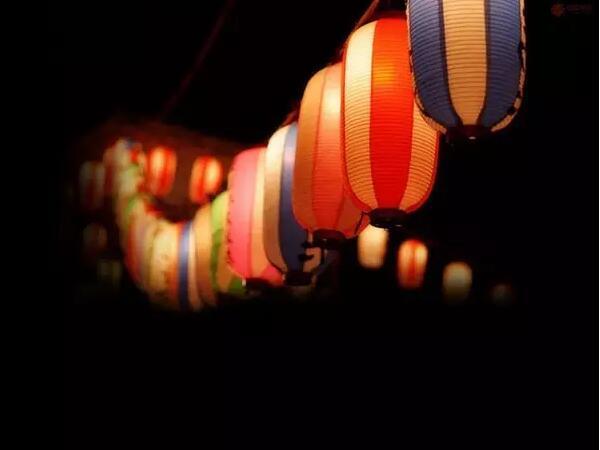
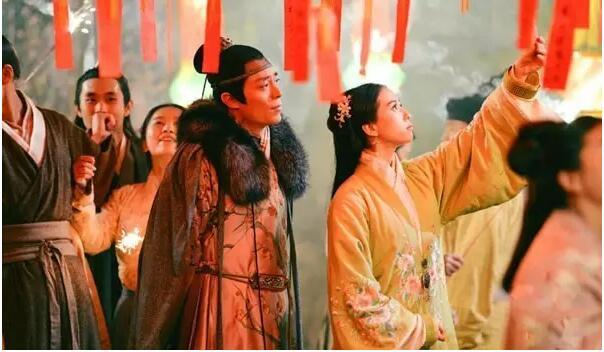
There is a kind of love that begins with a meeting.
The east wind at night blooms thousands of flowers, blowing down stars like rain.
Luxury carriages and fragrant streets.
The sound of phoenix flutes moves, jade pots shine, a night of fish and dragon dances.
Moth eyebrows, snowy willows, golden threads, laughter and whispers fade with a subtle fragrance.
Searching for him thousands of times in the crowd, suddenly turning back,
That person is there, where the lights are dim.
— "Green Jade Table · Lantern Night"
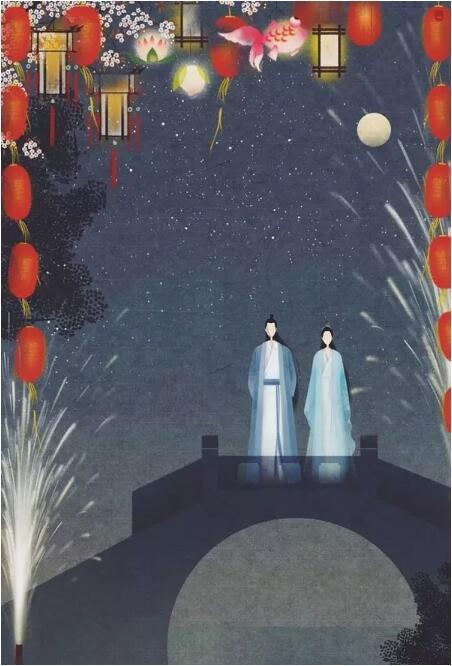
There is a kind of love that originates from longing.
Last year's Lantern Night, the flower market was as bright as day.
The moon rises above the willow tips, and people meet after dusk.
This year's Lantern Night, the moon and lights remain the same.
The person from last year is not seen, tears wet the spring shirt sleeves.
— "Sheng Cha Zi · Lantern Night"
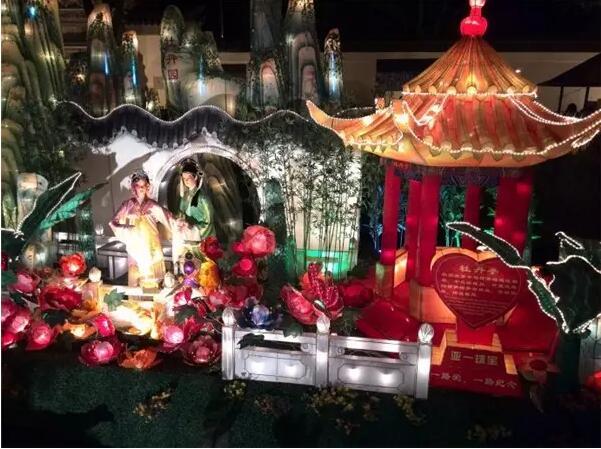
For thousands of years, whether it is sweetness, longing, or sorrow of parting, every mood about love becomes so beautiful and touching tonight. This is the true Chinese Valentine's Day!
Tonight, may people and the moon both be reunited!
Tonight, may lovers finally become family!
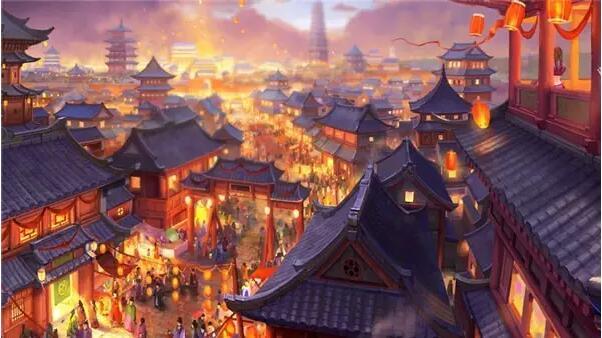
Festival Origin
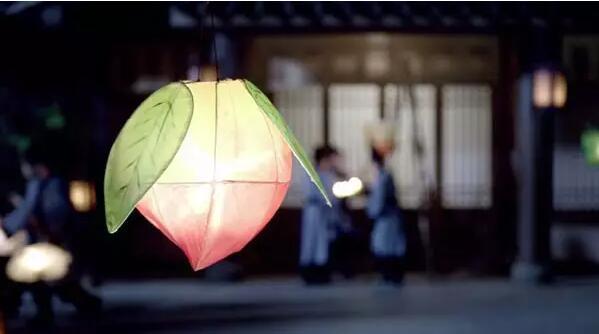
The Lantern Festival is a traditional Chinese festival that dates back more than 2,000 years to the Qin Dynasty.
During the reign of Emperor Wen of Han, the fifteenth day of the first lunar month was designated as the Lantern Festival. During Emperor Wu of Han's time, the "Taiyi God" worship ceremony was held on the fifteenth day of the first lunar month (Taiyi: the god who rules over the universe). When Sima Qian created the "Taichu Calendar," the Lantern Festival was already established as a major festival.
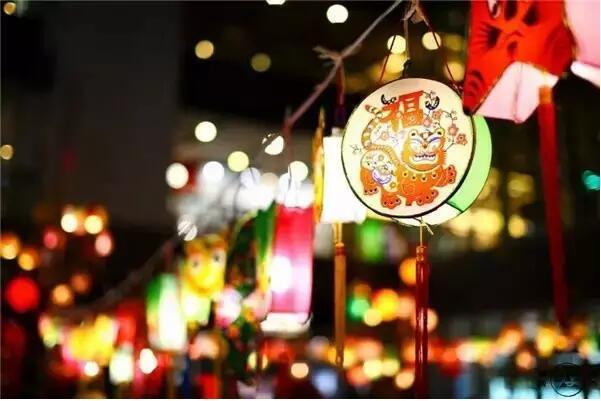
Originally, "Yuanxiao" meant "the night of the Shangyuan Festival." Because the main activity of the Shangyuan Festival on the fifteenth day of the first lunar month was eating tangyuan and admiring the moon at night, the festival's name later evolved into the "Lantern Festival."
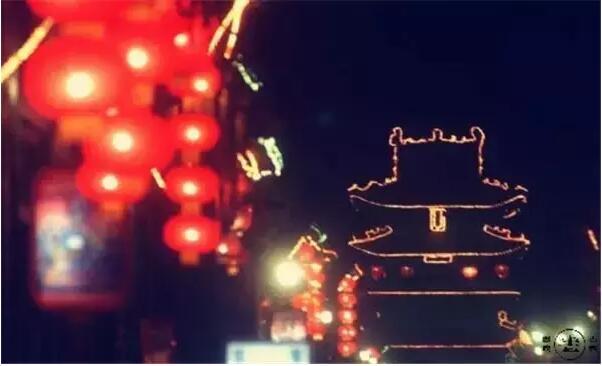
On the night of the Lantern Festival, streets and alleys are decorated with lanterns, people enjoy lanterns, guess lantern riddles, and eat tangyuan, pushing the celebrations that started on New Year's Eve to another climax, becoming a tradition passed down through generations.
Festival Development
Festival Period and Customs
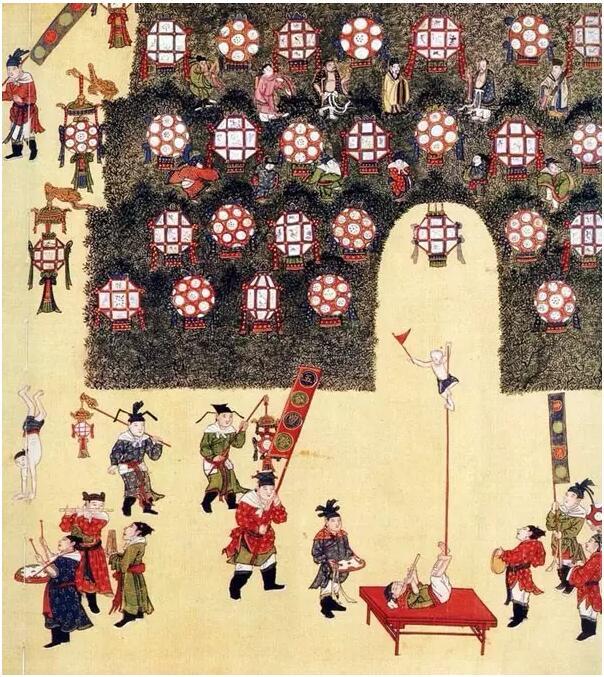
The festival period and customs of the Lantern Festival have extended and expanded with historical development. In terms of duration, it was only one day during the Han Dynasty, three days during the Tang Dynasty, five days during the Song Dynasty, and during the Ming Dynasty, it lasted from the eighth day of the first lunar month until the night of the seventeenth day, making it the longest lantern festival in Chinese history. It connects with the Spring Festival, bustling with markets during the day and spectacular lantern displays at night.
Especially the exquisite and colorful lanterns made it the highlight of entertainment during the Spring Festival. By the Qing Dynasty, dragon dances, lion dances, dry boat races, stilt walking, and yangge dances were added to the "hundred entertainments," although the festival period was shortened to four to five days.
Dynastic Changes
During the Tang Dynasty, when the country was at its strongest, lantern viewing during the Lantern Festival was very popular. Whether in the capital or towns, colorful lanterns were hung everywhere. People also made huge lantern wheels, lantern trees, and lantern pillars. The city was filled with dazzling lights, very prosperous and lively.
In the Song Dynasty, besides the carnival where women went out to the streets from night until dawn, mixing with men, officials distributed red envelopes, and the emperor enjoyed the Lantern Festival with the people; there was even a terrifying aspect where prisons used lantern decorations and images to depict prisoner stories or display prison tools.
During the Yuan Dynasty, most holidays were canceled. The rulers believed life was about movement and work was rest, with only 16 holidays a year. The Ming Dynasty's lantern festival lasted even longer, from the eighth to the seventeenth day of the first lunar month, showing a time of peace and prosperity with singing and dancing.
In the Qing Dynasty, after the Manchus took over the Central Plains, the court no longer held lantern fairs, but the folk lantern fairs remained spectacular. Although only lasting three days, the lanterns were brilliant, more exquisite and magical, still very attractive.
Festival Legends
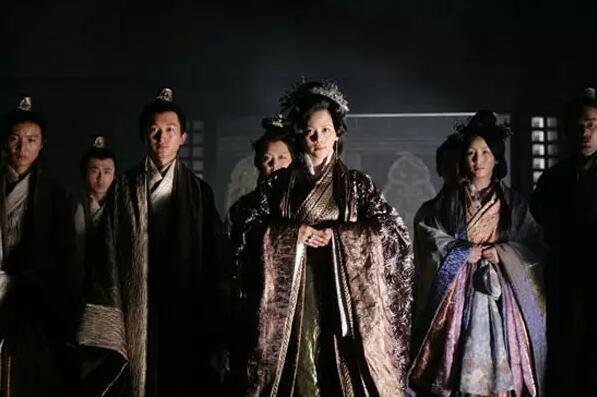
Commemoration of the Pacification of Lü
Legend has it that the Lantern Festival was established during Emperor Wen of Han's reign to commemorate the "Pacification of Lü." After the death of Emperor Gaozu of Han, Empress Lü's son Liu Ying ascended the throne as Emperor Hui of Han. Emperor Hui was weak by nature, and power fell into Empress Lü's hands. Empress Lü monopolized the government, turning the Liu family's empire into the Lü family's empire. The old ministers and Liu family members in the court were deeply resentful and decided to raise troops to overthrow the Lü family to protect the Liu family's rule.
After the rebellion was quelled, Emperor Wen of Han designated the fifteenth day of the first lunar month, the day the "Lü family rebellion" was suppressed, as a day to celebrate with the people. Every household in the capital decorated with lanterns to show celebration. Since then, the fifteenth day of the first lunar month became a widely celebrated folk festival — the "Lantern Festival."
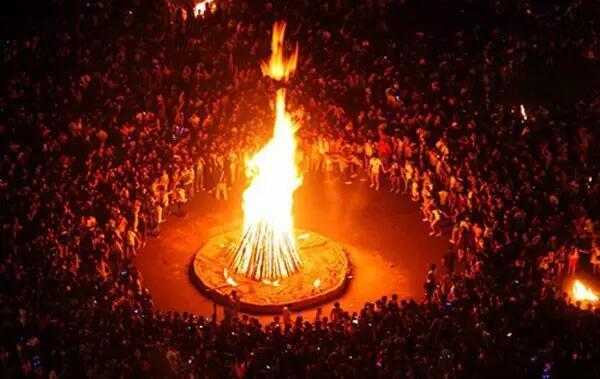
Torch Festival
Lantern viewing during the Lantern Festival originated in ancient times when people in rural fields carried torches to drive away pests, hoping to reduce crop damage and pray for a good harvest. Even today, in some areas of Southwest China, people still make torches from reed or branches on the fifteenth day of the first lunar month, gathering in groups to hold torches high and dance in the fields or grain drying yards. Since the Sui, Tang, and Song dynasties, the festival has reached its peak. Tens of thousands of participants sing and dance from dusk until dawn, ending at midnight. With social and era changes, the customs of the Lantern Festival have evolved significantly, but it remains a traditional folk festival in China.
"Theory of the Three Origins"
The custom of lighting lanterns during the Lantern Festival originates from the Taoist "Theory of the Three Origins"; Shangyuan refers to the first full moon night of the new year. The origin of the Shangyuan Festival is recorded in "Miscellaneous Records of Seasonal Times," stating it follows Taoist tradition. Taoism once called the fifteenth day of the first lunar month the Shangyuan Festival, the fifteenth day of the seventh lunar month the Zhongyuan Festival, and the fifteenth day of the tenth lunar month the Xiayuan Festival, collectively known as the "Three Origins."
Emperor Ming's Reverence for Buddhism
During the Eastern Han Dynasty under Emperor Ming, he promoted Buddhism. Upon hearing that on the fifteenth day of the first lunar month monks would observe Buddha's relics and light lamps to honor Buddha, he ordered lamps to be lit in the palace and temples that night to worship Buddha, and commoners were also instructed to hang lanterns, thus forming the Lantern Festival lantern viewing tradition. Later, this Buddhist ritual gradually evolved into a grand folk festival.
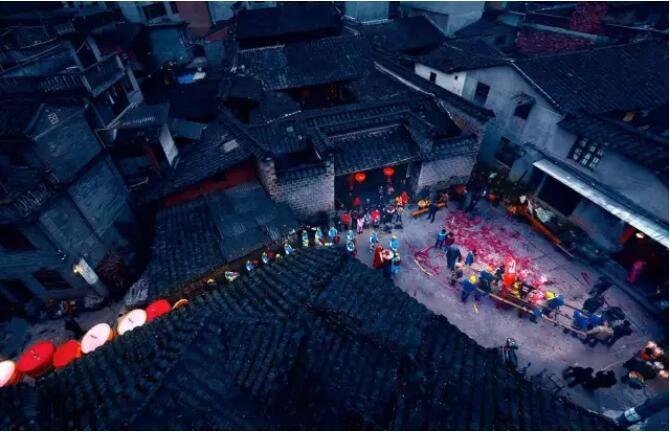
Festival Stories
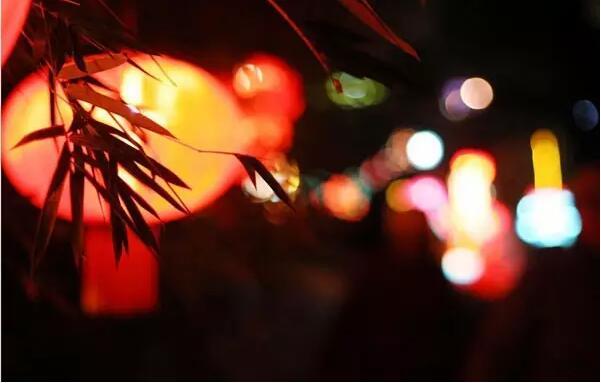
Lantern Festival Maiden
Dongfang Shuo, a favored minister of Emperor Wu of Han, was witty and kind. One winter day, while admiring plum blossoms in the imperial garden, he encountered a palace maid about to jump into a well. After rescuing her and learning the reason, he found out her name was Yuanxiao. She had not seen her family for a long time since entering the palace and was deeply homesick, leading her to contemplate suicide. Dongfang Shuo sympathized and promised to help.
Dongfang Shuo set up a stall for divination; everyone who asked received the answer "On the sixteenth day of the first lunar month, fire will burn the body," causing great panic in Chang'an. Emperor Wu consulted Dongfang Shuo, who said: "Chang'an is doomed, fire will burn the imperial palace, fifteen days of fire, red flames in the night." He explained that on the fifteenth night of the first lunar month, every household hangs lanterns and eats Yuanxiao; the people outside the city enter to see the lanterns, making the city look like a great fire to deceive the Jade Emperor. That night, Yuanxiao's parents came to the city to view the lanterns. With Dongfang Shuo's help, the family was finally reunited.
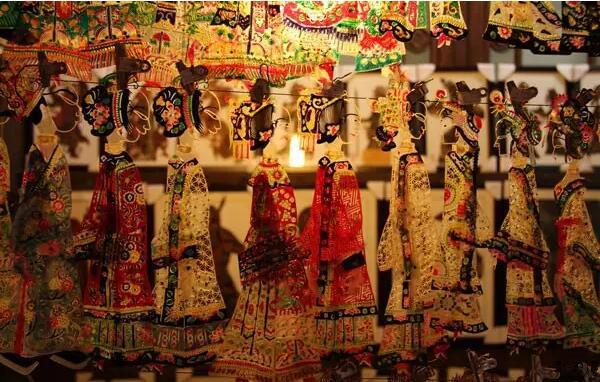
Shadow Puppet Longing
It is said that after the death of Emperor Wu of Han's beloved consort Lady Li, he missed her deeply. A palace maid wore the consort's clothes and danced gracefully under the moonlight. The emperor saw the maid's shadow and eased his longing. Later generations wrote a poem: "Lanterns lit for a play, the tune renewed; gazing at the shadow, it is lifelike; the tinkling jade pendants and steady lotus steps; before the curtain, Lady Li appears alive." This story is the origin of shadow puppetry.
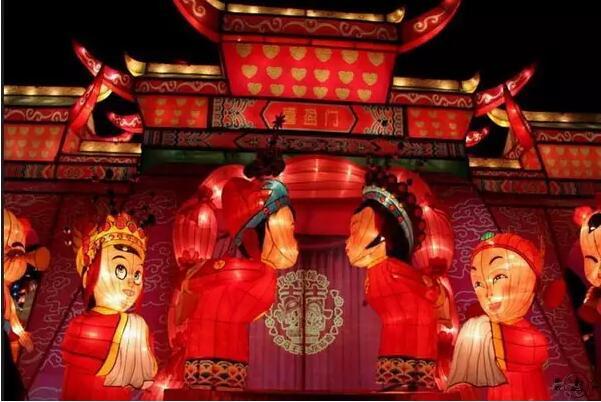
Reunion of the Broken Mirror
When the Sui army destroyed the Southern Chen, Princess Changle of Southern Chen and her husband Xu Deyan broke a bronze mirror in half, each keeping one half as proof for future meetings. They agreed to sell the mirror halves in the market on the fifteenth day of the first lunar month to seek news of each other. After the fall of Southern Chen, Princess Changle became a concubine in Yang Su's mansion. The next year's Lantern Festival, Xu Deyan indeed saw an old man selling half a bronze mirror in the market at a high price but with no buyers. Xu Deyan wrote a poem on the broken mirror: "The mirror and the person both gone; the mirror returns but the person does not. No more Chang'e's shadow, only the bright moonlight remains." Yang Su learned of this and helped the couple reunite.
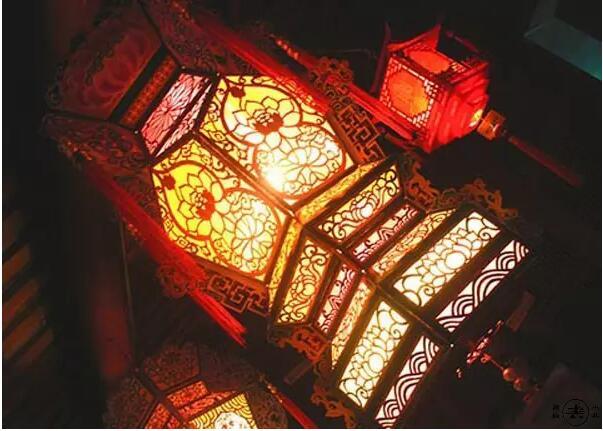
Lighting Seven Lamps
In the Song Dynasty, there was a governor in Fuzhou named Cai Junmo who, facing thousands of starving people, still insisted on maintaining a facade of peace. He issued an order requiring every household under his jurisdiction to light seven lamps on the night of the Lantern Festival. A poor man named Chen Lie made a large lamp over ten feet tall with a poem inscribed: "A lamp in a rich family, a grain in the granary; a lamp in a poor family, father and son weep face to face." When the governor heard this, he had to withdraw the order.
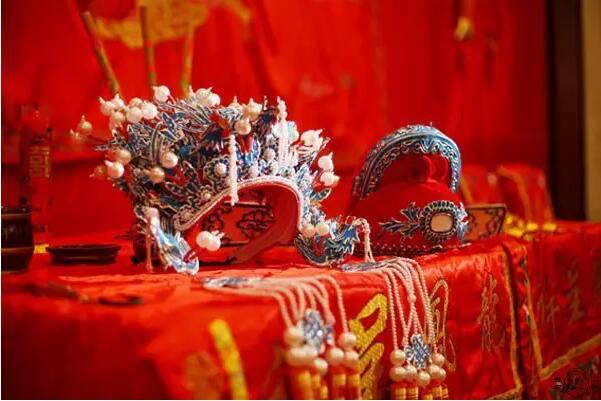
Double Happiness Arrives
When Wang Anshi was 20 years old and went to the capital for the imperial examination, he passed by a place during the Lantern Festival where a wealthy family hung lanterns with riddles to attract suitors. The couplet read: "Running horse lantern, lantern runs horse; when the lantern goes out, the horse stops." Wang Anshi could not answer but remembered it. After arriving in the capital, the examiner's couplet was: "Flying tiger flag, flag flies tiger; flag rolls, tiger hides." Wang Anshi wrote a response using the riddle couplet and passed the exam. When he returned home in glory, he found the original couplet still unanswered, so he answered it and won a beautiful wife, truly a double happiness.
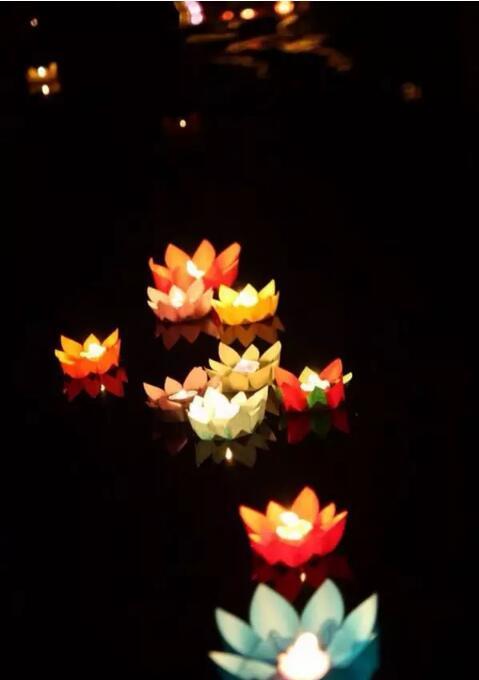
Lanterns as Symbols
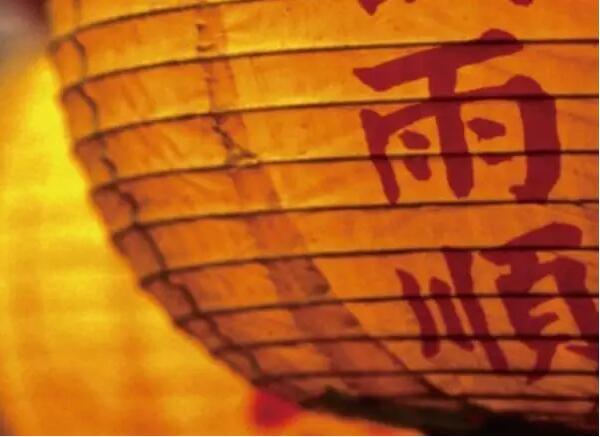
It is said that Emperor Taizong of Tang encouraged studying, and people sent their children to school. The first event upon entering school was called "lighting the lamp," where children brought pre-made lanterns to school for a learned elder to light, symbolizing a bright future. Private schools usually started classes a bit later on the fifteenth day of the first lunar month, so the school lanterns became part of the Shangyuan Festival decorations.
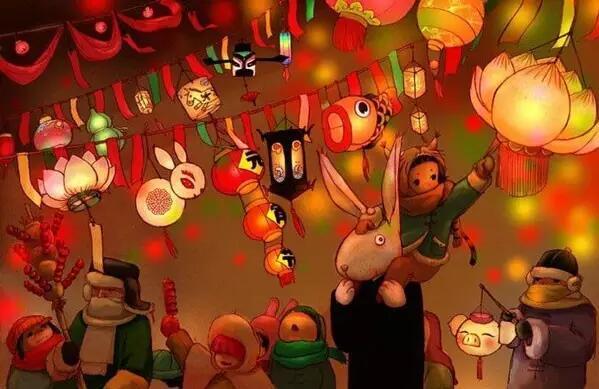
"Releasing Sky Lanterns" originated from people scattering to escape bandit attacks and using sky lanterns as signals to report safety. Since the day they returned home was the Lantern Festival, from then on, people celebrated by releasing sky lanterns annually on this day. Therefore, sky lanterns are also called "Blessing Lanterns" or "Safety Lanterns."
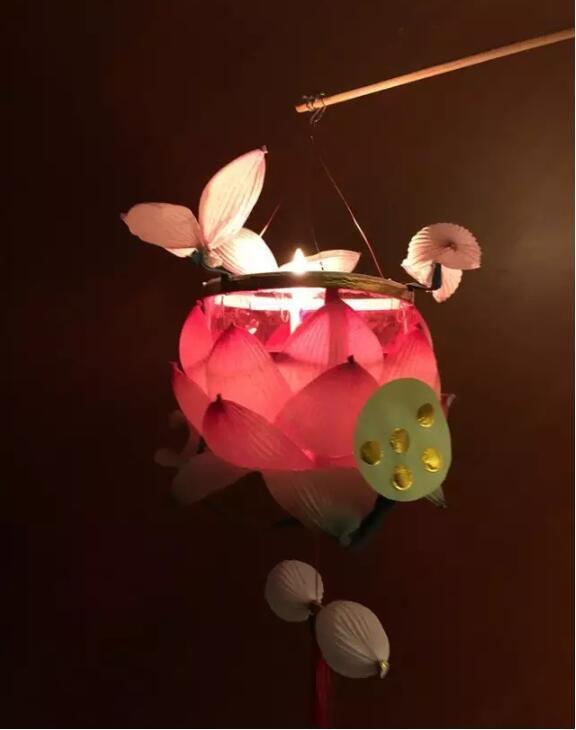
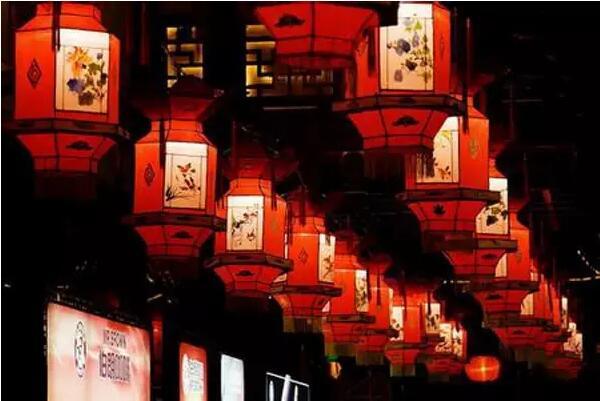
There are many types of Lantern Festival lanterns, some shaped like objects such as dragon lanterns, tiger lanterns, rabbit lanterns, etc., and others based on folk stories like the Cowherd and Weaver Girl, the Twenty-four Filial Exemplars, expressing the national spirit of loyalty, filial piety, and righteousness. The craftsmanship of various lanterns showcases the wisdom and skills of artisans.
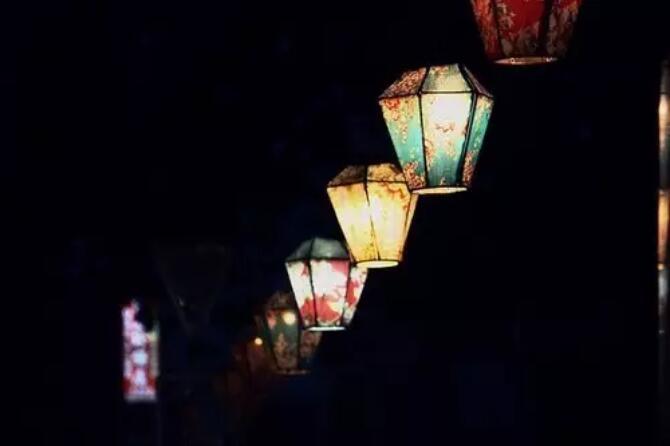
Because the lantern period varies, the first day of hanging lanterns was called "test lantern," the fifteenth day "main lantern," and the last day "remaining lantern" or "waning lantern." There are also terms like "divine lantern," "human lantern," and "ghost lantern." The night of the fourteenth is "divine lantern," placed before household altars and ancestral halls to worship gods and ancestors; the fifteenth night is "human lantern," placed on doors, windows, beds, and desks to ward off scorpions; the sixteenth night is "ghost lantern," placed on graves and fields to help wandering souls escape the ghost realm.
Why the Lantern Festival is Celebrated with Festivities
In ancient times, the Lantern Festival was called "Jinwu does not forbid the night, the star bridge iron lock opens."
"Jinwu does not forbid the night," where "Jinwu" generally refers to a high-ranking official in charge of local security in the capital city. This phrase means that during the Lantern Festival days, the guard troops generally do not interfere with the activities of the common people.
As for "the iron locks of the star bridge open," the star bridge is the bridge leading to the imperial palace, usually a "palace restricted area" where ordinary people are not allowed to pass, but during the Lantern Festival days, common people can freely pass through.
Even better, during the Lantern Festival, the emperor "rejoices with the people," allowing the common people to make a wild and unrestrained celebration, lasting seven days and seven nights, without restrictions. Hence it is called "Lantern Festival Revelry."
Folk Customs
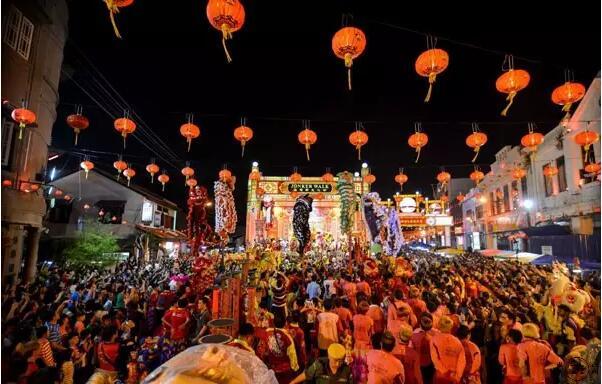
Decorating with Lanterns and Streamers
Since the custom of hanging lanterns during the Lantern Festival was established, every dynasty has regarded the lantern viewing on the fifteenth day of the first lunar month as a grand event. The "Dreams of Splendor in the Eastern Capital" records: During the Lantern Festival, on the imperial street of Kaifeng, tens of thousands of colorful lanterns were stacked into lantern mountains, with lanterns and fireworks shining brilliantly, splendid and resplendent. Young women in the capital sang and danced, attracting crowds of spectators. "Tourists gathered under the two corridors of the imperial street, showcasing strange arts and talents, singing, dancing, and various performances, the sounds mingling and echoing for over ten miles." Streets and alleys, teahouses and taverns all lit their lanterns and candles, with the sounds of gongs and drums and firecrackers ringing, the lights stretching for hundreds of miles without end.
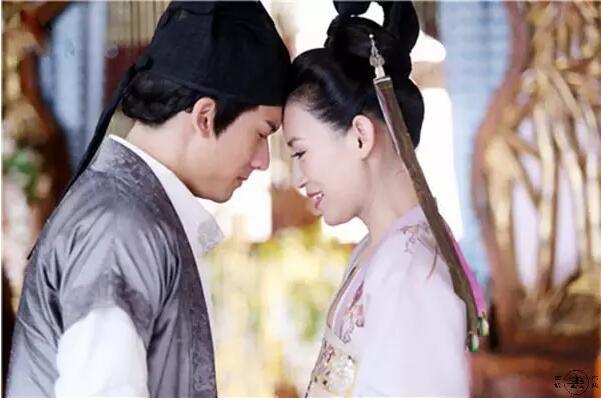
Lovers' Reunion
Regarding the Lantern Festival, Ouyang Xiu's "Sheng Chazi" says: "Last year on the Lantern Night, the flower market was as bright as day; the moon rose above the willow tips, and people arranged meetings after dusk." Xin Qiji (Qing Yu An) wrote: "Searching for her thousands of times in the crowd, suddenly turning back, she was there where the lantern lights dimmed." These describe the scene of the Lantern Festival night. Traditional operas tell of Chen San and Wu Niang meeting and falling in love at first sight while admiring lanterns during the festival; Lechang Gongwen and Xu Deyan reconcile on Lantern Night; in "Spring Lantern Riddles," Yuwen Yan and Ying Niang pledge love on Lantern Night. Therefore, the Lantern Festival is also considered China's "Valentine's Day."
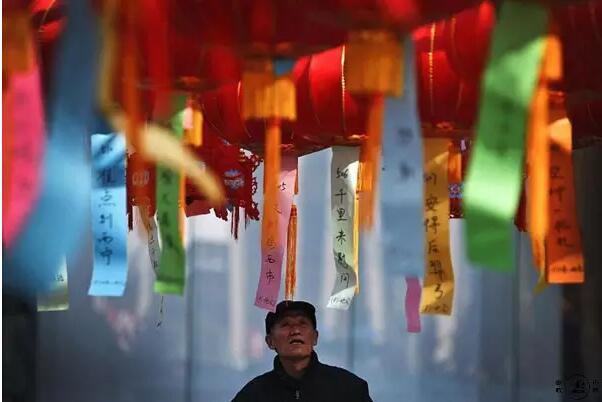
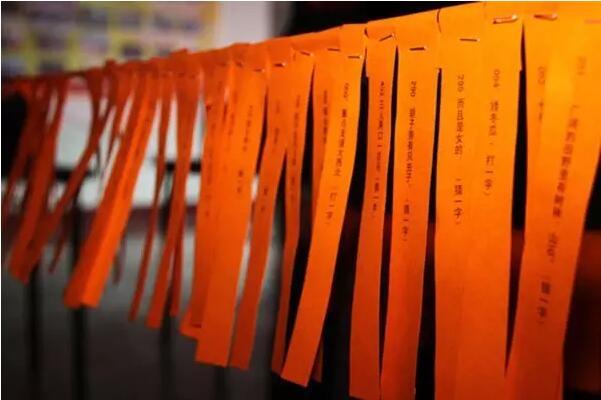
Guessing Lantern Riddles
During the Lantern Festival, the imperial city never sleeps. At the spring night lantern viewing gatherings, the common people gather, writing poems and riddles on lanterns, reflecting on candles, displayed along the main streets for anyone to guess, hence called "lantern riddles." Nowadays, every Lantern Festival, various places present lantern riddles hoping for a joyful and safe year. Because riddles can inspire wisdom and are interesting, they have been widely welcomed by all social classes during their transmission.
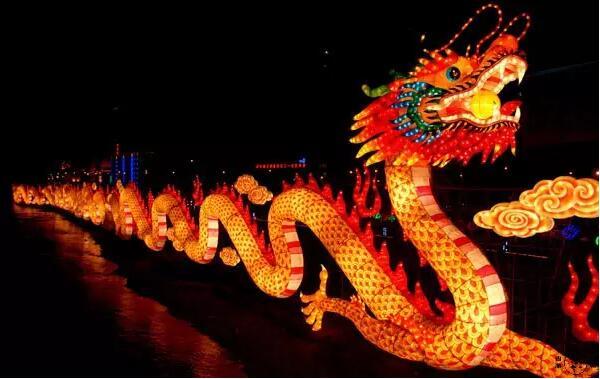
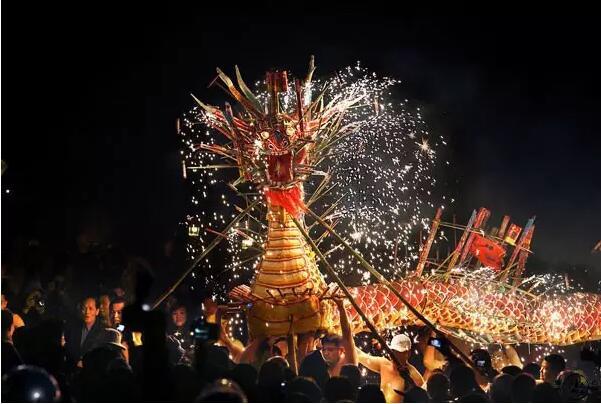
Dragon Lantern Dance
The Dragon Lantern Dance, also called Dragon Dance or Dragon Lantern Dance, traces back to ancient times. Legend has it that as early as the Yellow Emperor's era, in a large-scale song and dance called "Qingjiao," there appeared a figure of a dragon head and bird body played by people, followed by a dance scene of six flood dragons interweaving. The dragon dance is popular in many parts of China. The Chinese nation reveres the dragon, considering it a symbol of good fortune.
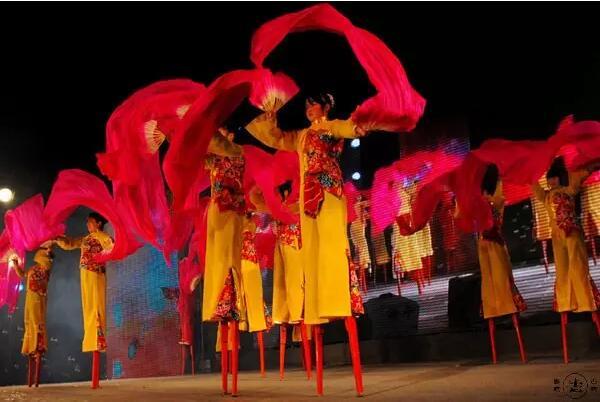
Stilt Walking
Stilt walking is a popular folk mass skill performance. Stilts originally belonged to one of the ancient Chinese variety arts, appearing as early as the Spring and Autumn period. The earliest introduction of stilts in China is in "Liezi · Shuofu" chapter: "In Song there was a man named Lanzi, who used his skill to serve Song Yuan. Song Yuan summoned him to demonstrate his skill.
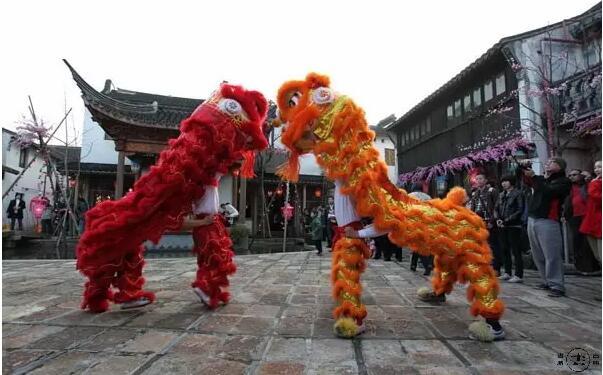
Lion Dance
The Lion Dance is an excellent Chinese folk art. During the Lantern Festival or gatherings and celebrations, the folk perform lion dances to add joy. This custom originated in the Three Kingdoms period, became popular during the Northern and Southern Dynasties, and has a history of over a thousand years. The "Lion Dance" began in the Wei and Jin periods, flourished in the Tang dynasty, also called "Lion Dance" or "Peaceful Joy." It is usually performed by three people: two dressed as the lion, one as the lion's head, one as the lion's body and hind legs, and another as the lion handler. The dance has both civil and martial styles. The civil dance shows the lion's gentleness with actions like shaking fur and rolling, while the martial lion shows fierceness with leaps, high kicks, and rolling colorful balls.
Dry Boat Rowing
Dry boat rowing, according to folk legend, commemorates the great Yu's achievements in flood control. Also called running dry boat, it imitates rowing a boat on land. Most performers are young women. The dry boat is not a real boat but made of two thin boards sawed into boat shapes, tied with bamboo and wood, covered with colored cloth, and worn around the waist like sitting in a boat. Holding paddles, they mimic rowing while running and singing local tunes, dancing as they sing. Sometimes a man plays a passenger on the boat, often as a clown, performing various comic actions to entertain the audience.
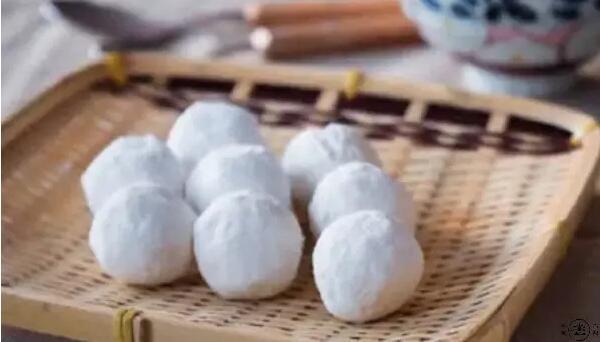
Eating Yuanxiao
Yuanxiao, also called "Tangyuan," are filled with white sugar, rose, sesame, red bean paste, osmanthus, walnut, nuts, jujube paste, etc., wrapped in glutinous rice flour into round shapes, either savory or sweet, with various flavors. They can be boiled, fried, or steamed, symbolizing reunion and completeness. In the north, "rolling" Yuanxiao is common, while in the south, "wrapping" Tangyuan is practiced; these are two different methods and textures.
As a food, "Yuanxiao" has a long history in China. During the Song dynasty, a novel food eaten during the Lantern Festival became popular. This food was first called "Fu Yuanzi" and later "Yuanxiao." Merchants also gave it the elegant name "Yuanbao."
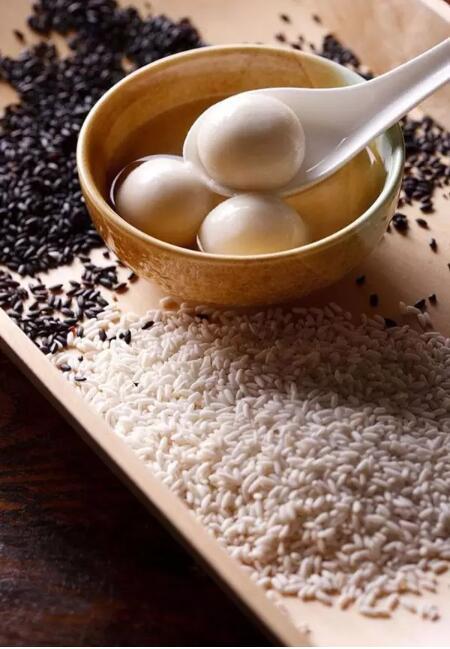
Door and Household Sacrifices
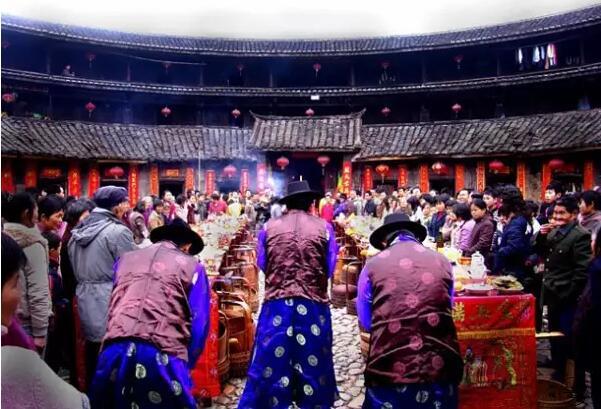
In ancient times, there were "Seven Sacrifices," of which these are two types. The sacrificial method was to insert poplar branches above the door, place a pair of chopsticks in a bowl of bean porridge, or directly put wine and meat in front of the door.
Chasing Rats
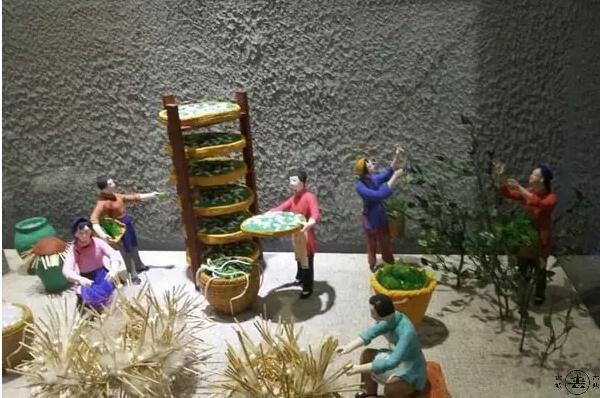
This activity mainly concerns families who raise silkworms. Because rats often eat large amounts of silkworms at night, people believe that feeding rats rice porridge on the fifteenth day of the first lunar month will stop them from eating silkworms. Therefore, these families cook a large pot of sticky porridge on the fifteenth day, sometimes covering it with a layer of meat, serving it in bowls placed in attics, corners, or near rat holes, while reciting incantations to curse the rats to die if they continue eating silkworms.
Giving Children Lanterns
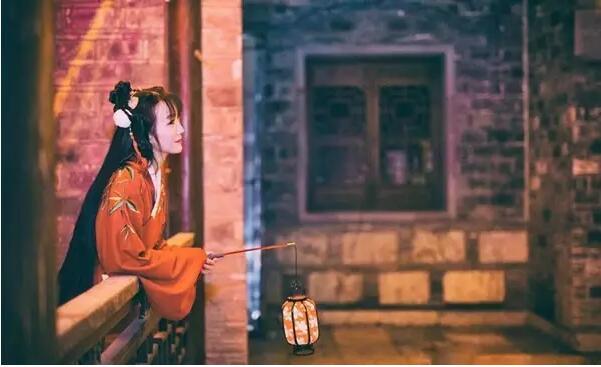
Abbreviated as "Sending Lanterns," also called "Sending Flower Lanterns," it refers to the custom before the Lantern Festival where the bride's family sends flower lanterns to the newlywed daughter's home, or friends and relatives send them to newlyweds without children, hoping to bring good luck for offspring, because "lantern" is a homophone of "offspring."
Welcoming Zigu
Zigu is also called Qigu, and in the north, often called Cigu or Keng Sangu. In ancient folk customs, on the fifteenth day of the first lunar month, people would welcome and worship the toilet deity Zigu, divining about silkworms and mulberries, as well as other matters. Legend has it that Zigu was originally a concubine who was envied by the main wife and was killed in the toilet on the fifteenth day of the first lunar month, becoming the toilet deity. On the night of welcoming Zigu, people make life-sized portraits of Zigu from straw and cloth scraps and worship her at the toilet pigpen at night.
Walking Away a Hundred Illnesses
"Walking Away a Hundred Illnesses" is an activity to dispel disasters and pray for health. On the night of the Lantern Festival, women go out together in groups, crossing every bridge they encounter, believing this can ward off illness and prolong life. This custom has been practiced in northern China since the Ming and Qing dynasties, sometimes on the fifteenth day but mostly on the sixteenth. On this day, women dress in festive attire, walk out in groups, cross bridges and dangerous places, climb city walls, touch nails to pray for children, and return home only at midnight.
"On the fifteenth day of the first lunar month, the lanterns are brand new, and the city is filled with lights as white as silver." On this day, every household decorates with lanterns and colorful decorations. One by one, Kongming lanterns, silk lanterns, orange lanterns... all kinds of lanterns light up the originally quiet night, making it colorful and dazzling.
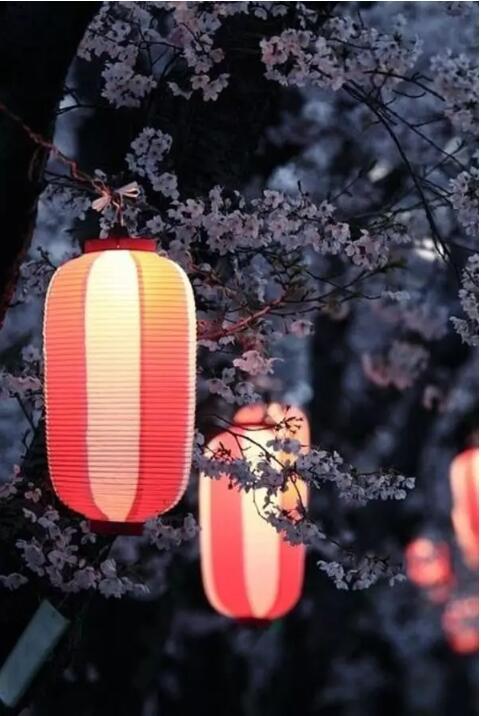
Fireworks bloom across the city tonight in splendid prosperity. The festive atmosphere of the New Year continues to this day. Let us pray together that the new year's life will be as perfect and beautiful as the moon in the sky!
Hotline
Email: btgj6666@163.com
Address: Houjiagou, Jiaokou Township, Hubin District, Sanmenxia City

Copyright © Sanmenxia Lerenjia Food Co., Ltd.
Powered by :www.300.cn Supported IPV6 Privacy Agreement