
Little New Year is here, time to prepare for the Spring Festival!
The date of Little New Year in the North is
February 4, 2021
Lunar calendar December 23, Thursday
The date of Little New Year in the South is
February 5, 2021
Lunar calendar December 24, Friday
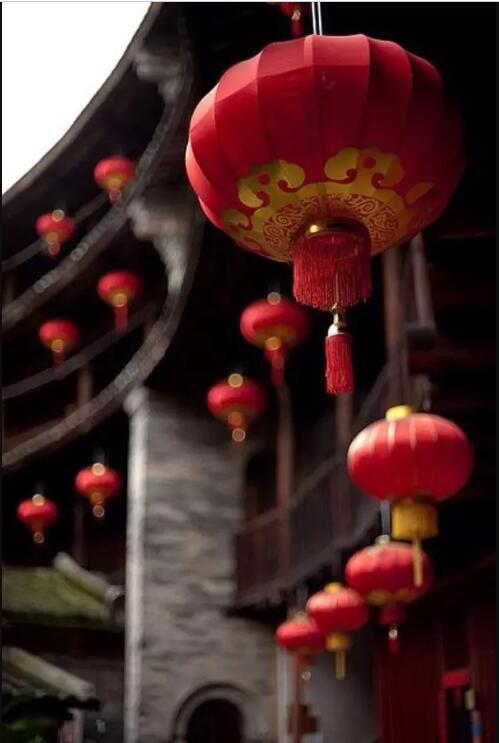
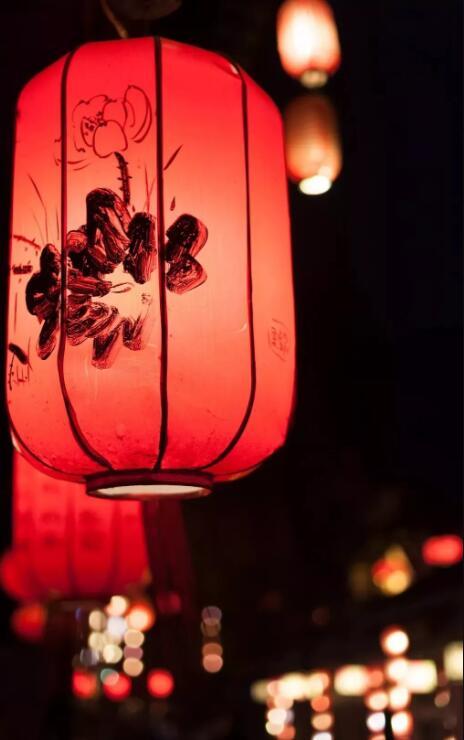
Little New Year marks the beginning and prelude of the entire Spring Festival celebration, with two main activities: house cleaning and worshiping the Kitchen God.
In the North, people celebrate Little New Year on the 23rd day of the twelfth lunar month, called "sweeping the house"; in the South, it is on the 24th day, called "dusting off". On this day, every household gets up at dawn to clean the house and windows.
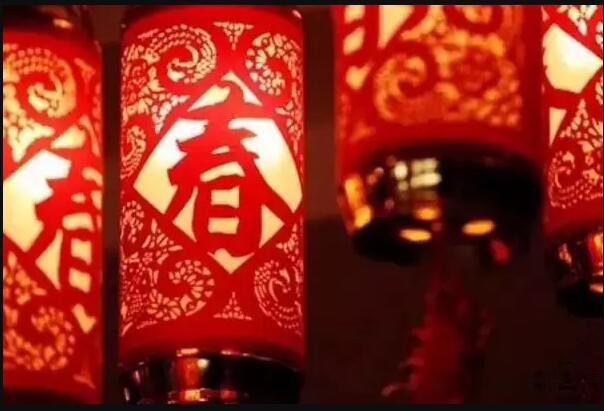
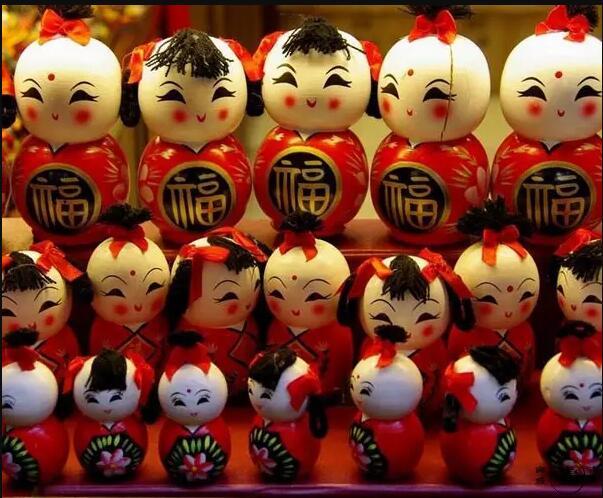
Actually, the traditional Little New Year is on the 24th day of the twelfth lunar month. However, during the Qing Dynasty, the worship of Heaven and ancestors was held on the 23rd day. Over time, places more influenced by the Qing government changed to the 23rd day.
These places, led by Beijing, are mainly in the North. Correspondingly, the South was less influenced and maintained the tradition of the 24th day. Specific customs vary by region and cannot be generalized.
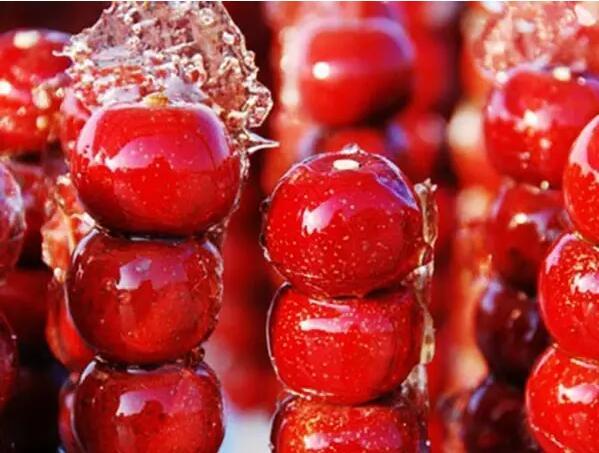
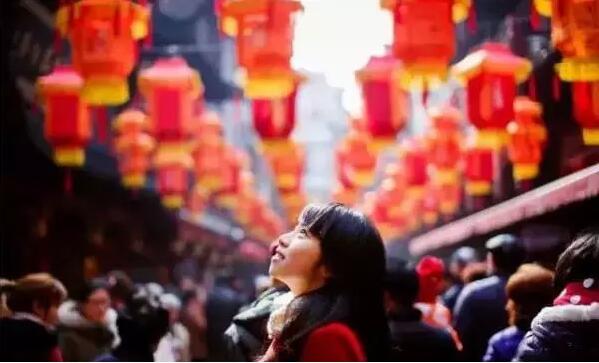
In ancient times, there was a tradition of "officials on the 23rd, commoners on the 24th, and boat people on the 25th" for Little New Year, meaning officials celebrated on the 23rd, common people on the 24th, and those living on boats on the 25th.
The 20th and 24th days of the twelfth lunar month are traditional folk days for worshiping the Kitchen God in China, also known as "Little New Year."
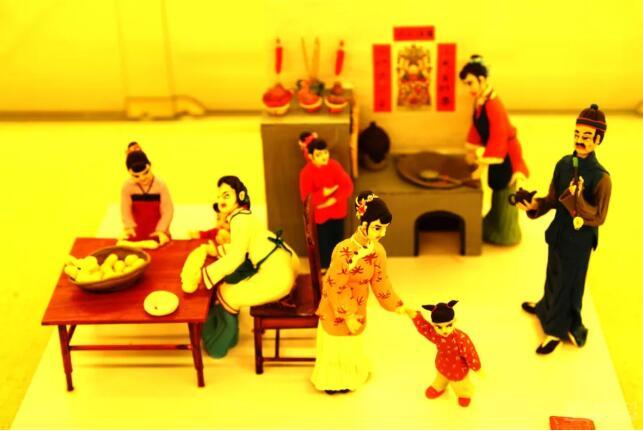
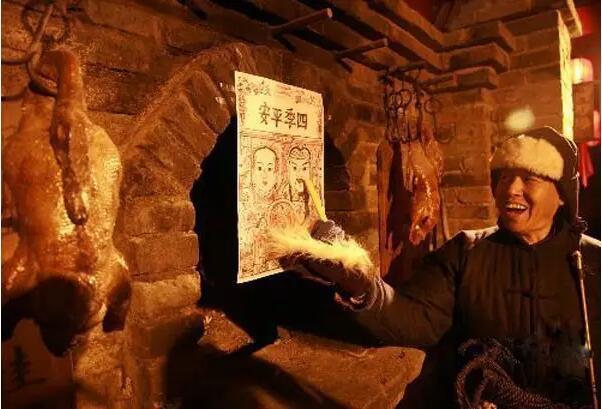
Little New Year also signifies the start of preparing for the New Year, cleaning thoroughly to welcome a good year, symbolizing new beginnings and expressing the Chinese working people's beautiful wish to bid farewell to the old and welcome good fortune.
At that time, the status of the Kitchen God Festival was second only to the Mid-Autumn Festival. Officials, merchants, or students working away from home would hurry back before the festival to reunite with family and eat homemade Kitchen God candies, praying for blessings and family safety in the coming year.
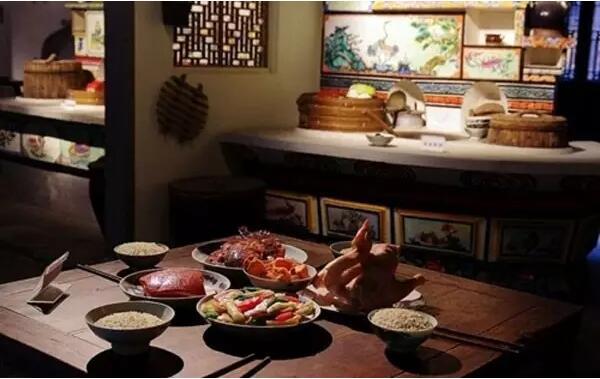
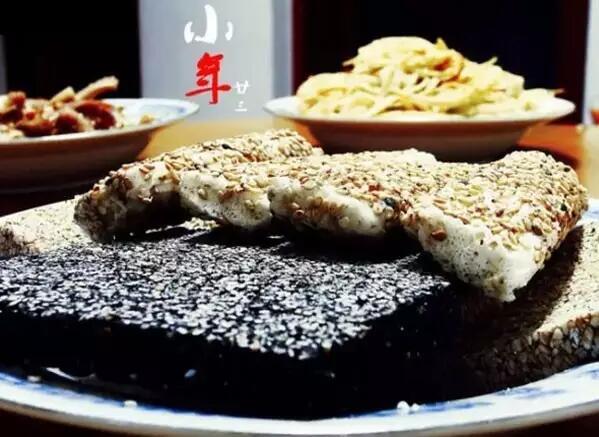
Nowadays, the concept and date of Little New Year vary by region: in the North it is on the 23rd day of the twelfth lunar month, in some southern areas on the 24th, and in the Jiangsu, Zhejiang, and Shanghai regions both the 24th day and the night before New Year's Eve are called Little New Year.
| Origin of Little New Year |
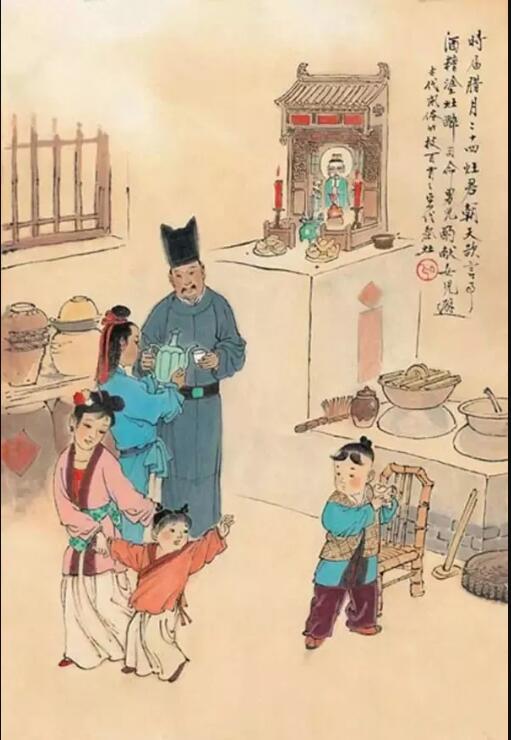
Legend has it that the Kitchen God was originally a commoner named Zhang Sheng, who after marriage lived a life of debauchery and squandered his family fortune, eventually becoming a beggar. One day, he begged at his ex-wife Guo Dingxiang's home, ashamed, and hid under the stove pot where he burned to death.
The Jade Emperor learned of this and believed Zhang Sheng could repent and was not completely bad. Since he died under the stove, he was appointed as the Kitchen God.
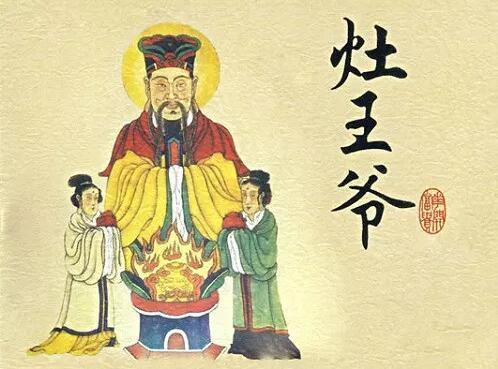
Every year on the 23rd and 24th days of the twelfth lunar month, he reports to Heaven and returns to the stove on New Year's Eve. People believe the Kitchen God must be respected because he reports to Heaven.
Thus, the folk custom of worshiping the Kitchen God on the 23rd and 24th days of the twelfth lunar month, called "Little New Year," developed to pray for peace and fortune in the coming year.
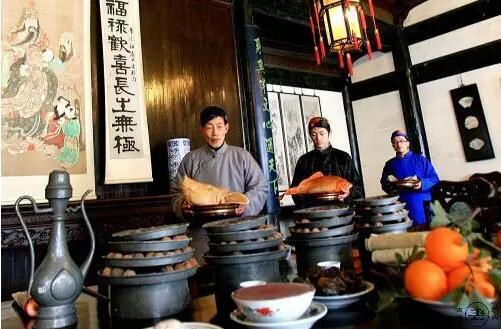 | Little New Year Customs |
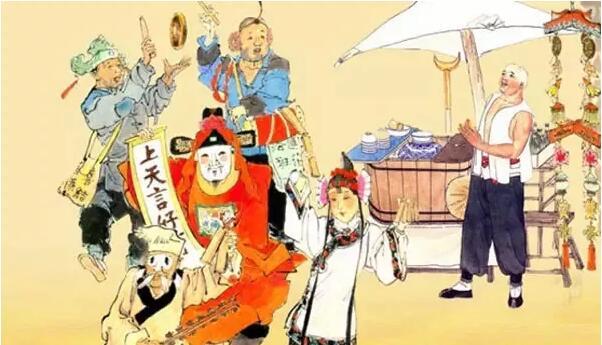
Worshiping the Kitchen God
According to folk legend, every year on the 23rd day of the twelfth lunar month, the Kitchen God reports to the Jade Emperor about the family's good and bad deeds, so the Jade Emperor can reward or punish them.
Based on the Kitchen God's report, the Jade Emperor entrusts the Kitchen God with the family's fate for the new year, including blessings and misfortunes.
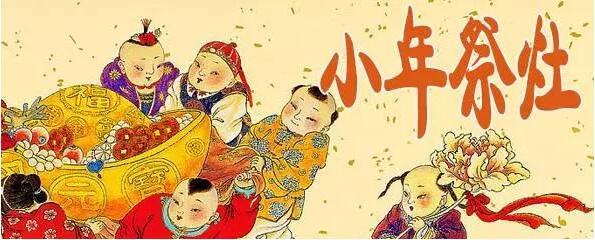
Therefore, when sending off the Kitchen God, people place candies, clean water, beans, and fodder grass on the table in front of the Kitchen God's statue; the last three are provisions for the Kitchen God's mount ascending to Heaven.
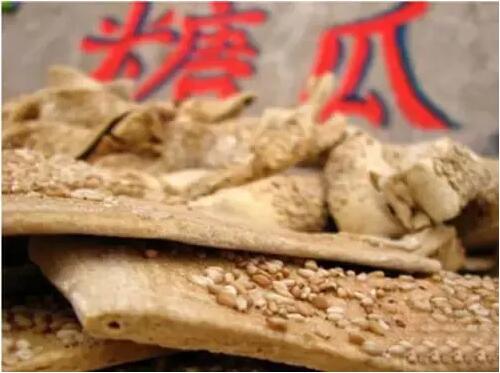
During the worship, people melt Kanto sugar with fire and smear it on the Kitchen God's mouth so he cannot speak ill of the family to the Jade Emperor.
History of Kitchen God Worship
The custom of worshiping the Kitchen God has a long history. The Kitchen God was already a revered deity among the people during the Xia Dynasty. The Analects of Confucius from the Spring and Autumn period mentions, "Rather than flattering the noble, better to flatter the Kitchen God."
In the pre-Qin period, worshiping the Kitchen God was one of the "Five Sacrifices" (which included sacrifices to the Kitchen God, door gods, travel gods, household gods, and thunder gods).
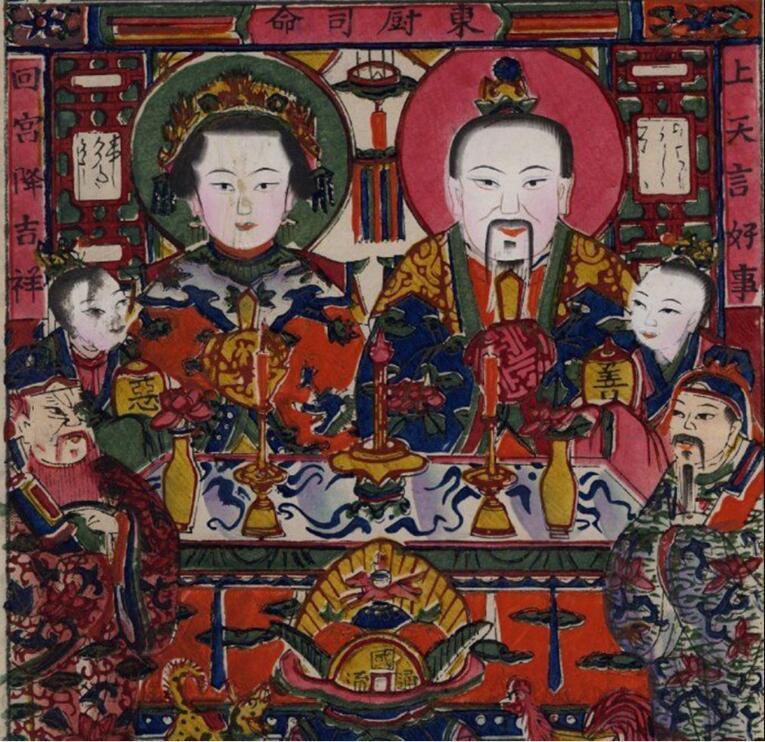
The Kitchen God was once identified with Yan Emperor or Zhurong in early times. After the Jin Dynasty, he was regarded as the god overseeing human morality. After Taoism flourished in China, he was depicted as an old woman.
Currently, the folk worships the Eastern Kitchen God of Fate and Blessing, depicted as an elderly couple sitting together, or a man with two women sitting together, representing the Kitchen God and his wife.
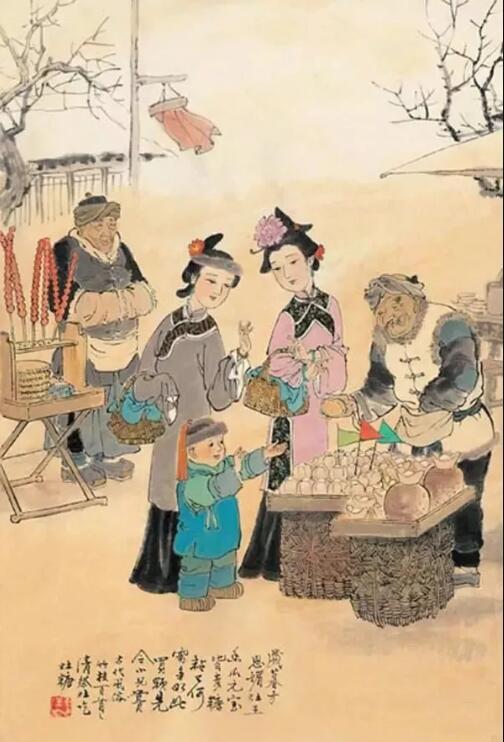 Customs of Kitchen God Worship
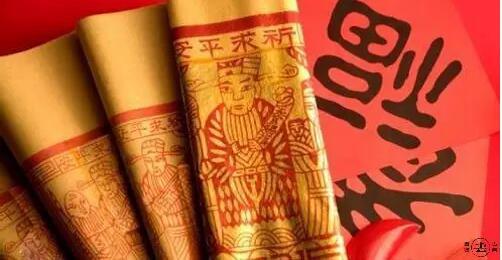
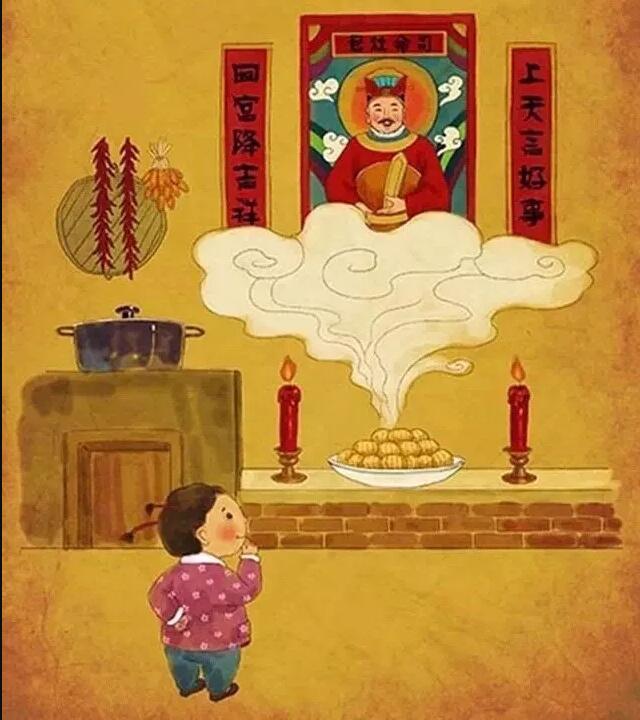
The Kitchen God's statue is pasted on the wall beside the stove facing the wind box. Couplets on both sides often read "Report good deeds to Heaven, protect peace on earth," with the lower couplet sometimes written as "Return to the palace bringing good fortune."
In the middle is the statue of the Kitchen God couple, often accompanied by two horses as mounts. During worship, offerings are arranged, with sugar melon being the most prominent to make his "mouth sweet" so he only speaks good things.
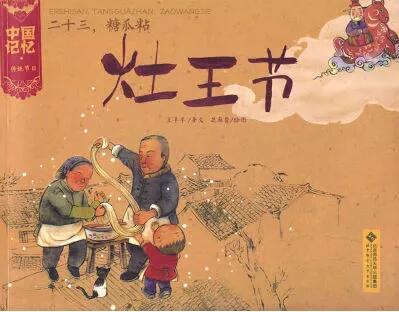
The sending-off ceremony usually takes place at dusk. Besides incense and wine offerings, special fodder is scattered for the Kitchen God's mounts, from the stove to the kitchen door.
After these rituals, the Kitchen God's statue is taken down and burned. A new statue is set up on New Year's Eve.
Food for Kitchen God Worship
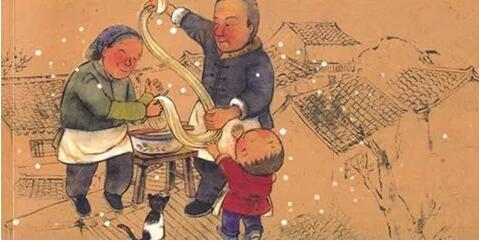
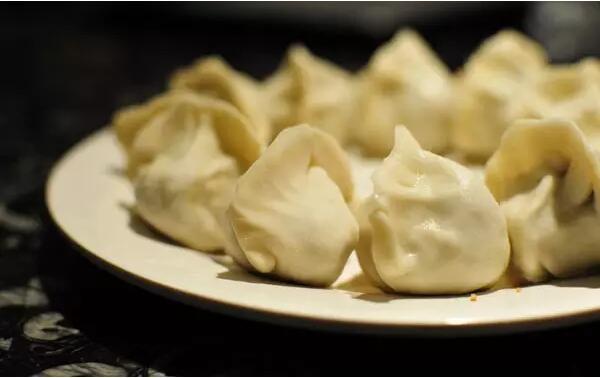
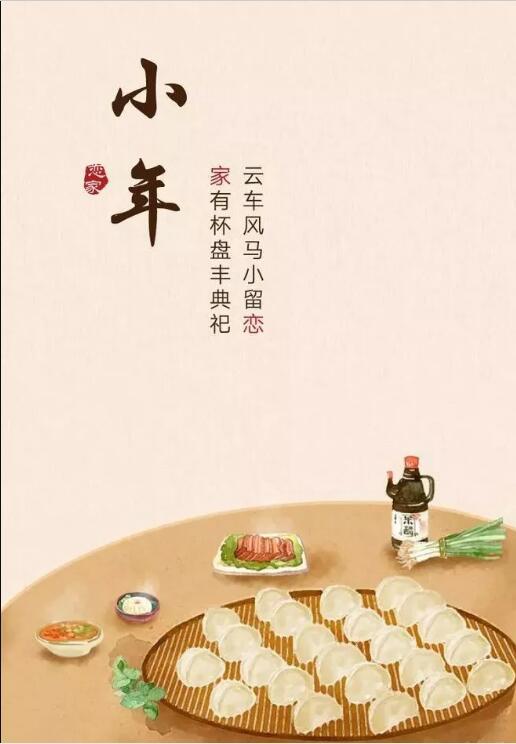
During the Kitchen God Festival, people customarily eat dumplings, symbolizing "sending off dumplings and welcoming noodles." In mountainous areas, cakes and buckwheat noodles are common. Besides eating Kitchen God candies, baked pastries are also a distinctive seasonal food.
Kitchen God Worship Songs
Two folk songs are widely circulated:
Twenty-three, send the master to heaven; twenty-four, sweep the house; twenty-five, steam buns; twenty-six, cut the meat; twenty-seven, polish the tinware; twenty-eight, soak the dirt; twenty-nine, wash hands and feet; on the thirtieth, paste door gods and couplets together.
On the twenty-third, after the kitchen god's sacrifice, children clap their hands and laugh happily. After five or six days, the New Year will arrive. Evil-warding boxes, playing with walnuts, with the sound of firecrackers popping here and there. The five sons pass the imperial exam with a ping-pong sound, the fire rises higher than the sky.
| Local Customs |
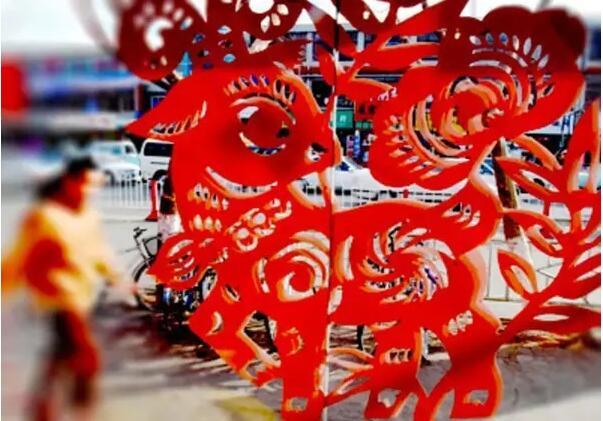
Sweeping Dust
After the twenty-third, only six or seven days remain until the Spring Festival, and the preparations for the New Year become more enthusiastic. A thorough indoor cleaning, commonly called sweeping dust, is done to remove the old and welcome the new, and to eliminate bad luck.
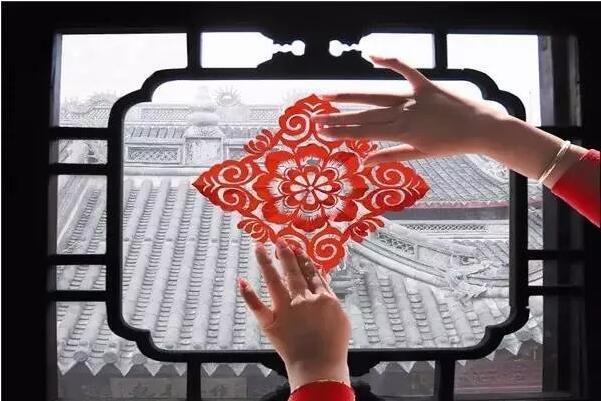
Every household must carefully and thoroughly clean to make windows bright and desks clean. Walls are whitewashed, glass washed, paper-cut window decorations pasted, New Year pictures posted, and so on.
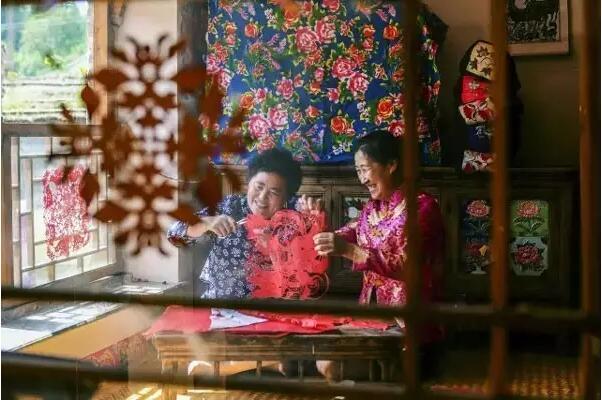 Cutting Window Flowers
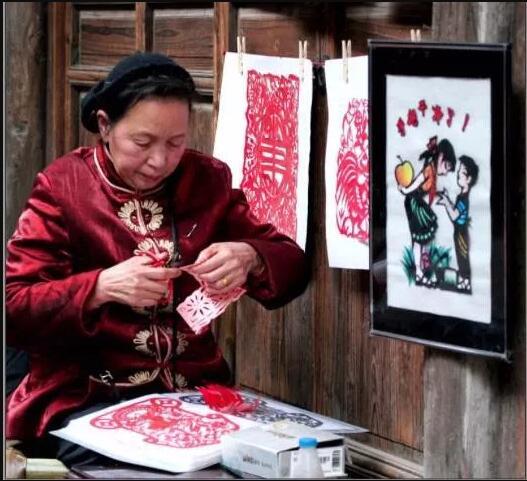
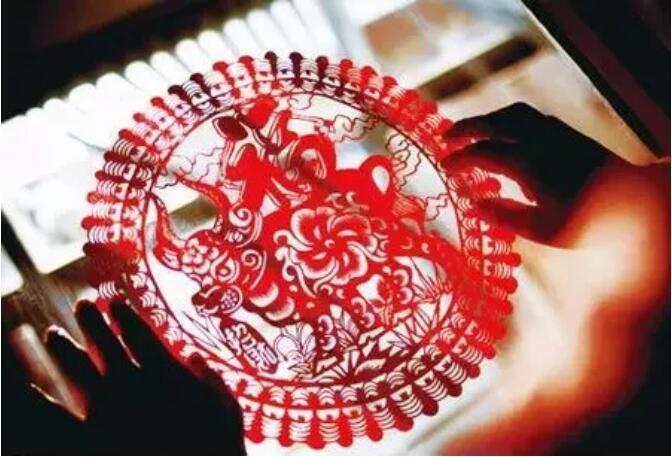
Among all preparations, cutting and pasting window flowers is the most popular folk activity. The designs include various animals and plants with stories, such as magpies on plum blossoms, swallows through peach and willow, peacocks playing with peonies, lions rolling embroidered balls, and the three goats (yang) bringing prosperity.
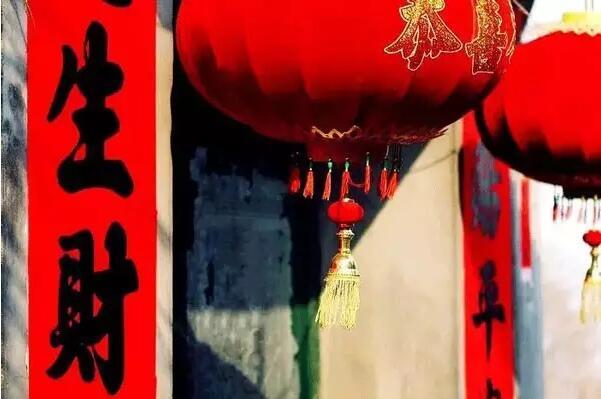
Pasting Spring Couplets
Every household writes spring couplets. Folk customs say that gods must have couplets, every door must have couplets, and every item must have couplets, so spring couplets are the most numerous and comprehensive. Couplets before the gods are especially particular, mostly expressing respect and blessings.
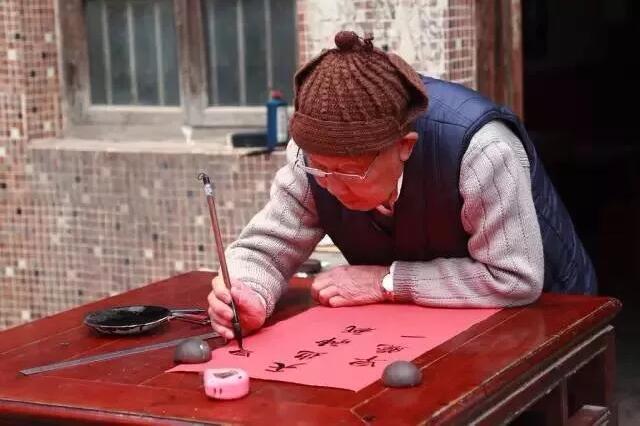
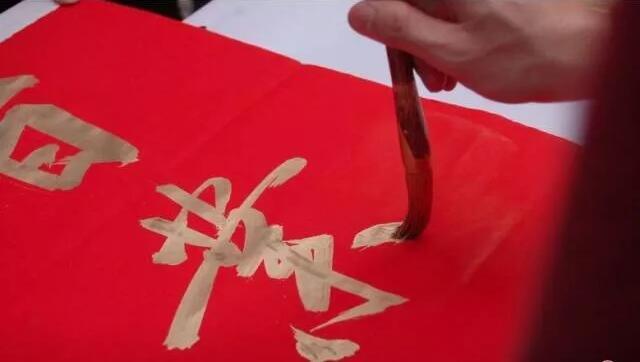
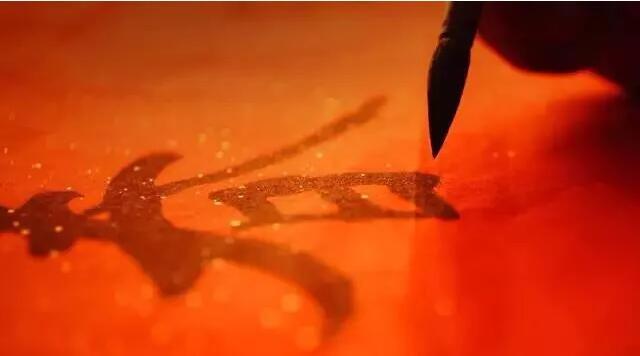
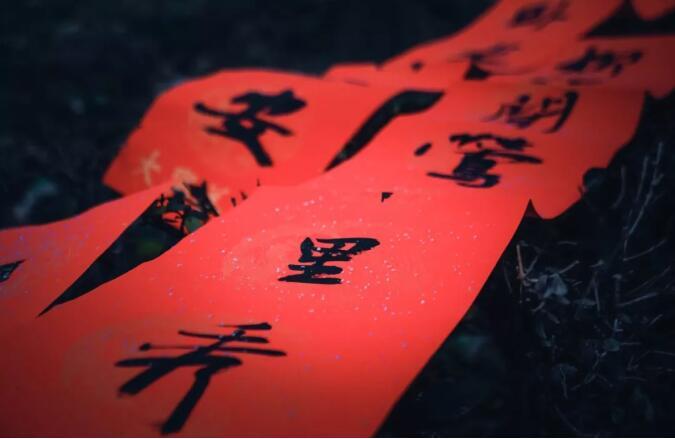
The couplets on the main door represent the family's image and are given special attention, sometimes expressing emotions or describing scenes, with rich content and witty phrases.
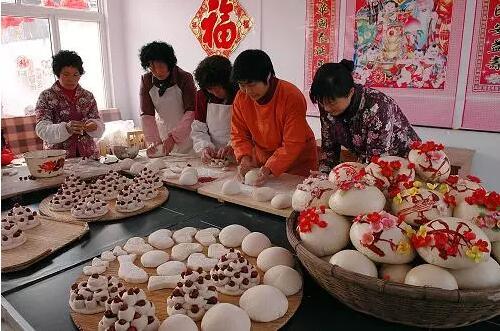
Steaming Flower Buns
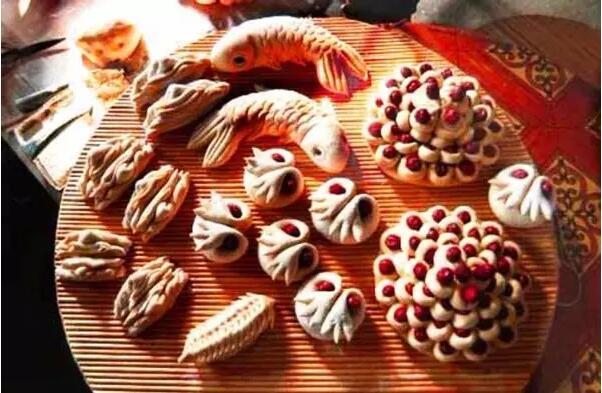
After the twenty-third of the twelfth lunar month, every household steams flower buns. Generally, there are two types: one for worshiping gods and one for visiting relatives. The former is solemn, the latter decorative. "One family steams flower buns, neighbors come to help."
This is often a great opportunity for folk women to showcase their skillful craftsmanship; a flower bun is like a piece of handicraft.
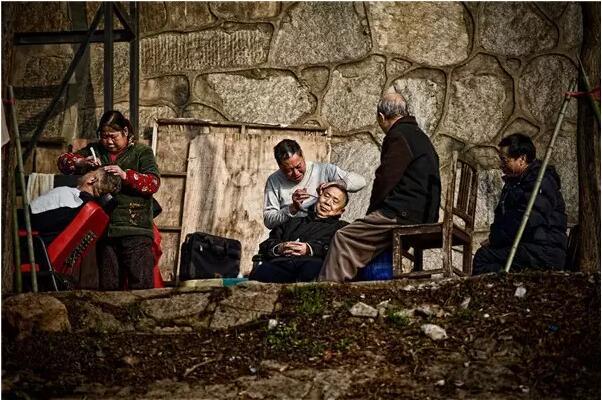
Bathing
Adults and children all take baths and get haircuts. There is a folk saying, "Whether rich or poor, shave your head for the New Year." In the Lvliang area, it is customary to wash feet on the twenty-seventh of the twelfth lunar month.
On this evening, women wash their feet with boiling water. For inexperienced girls, adults also help clean their feet thoroughly, leaving no dirt.
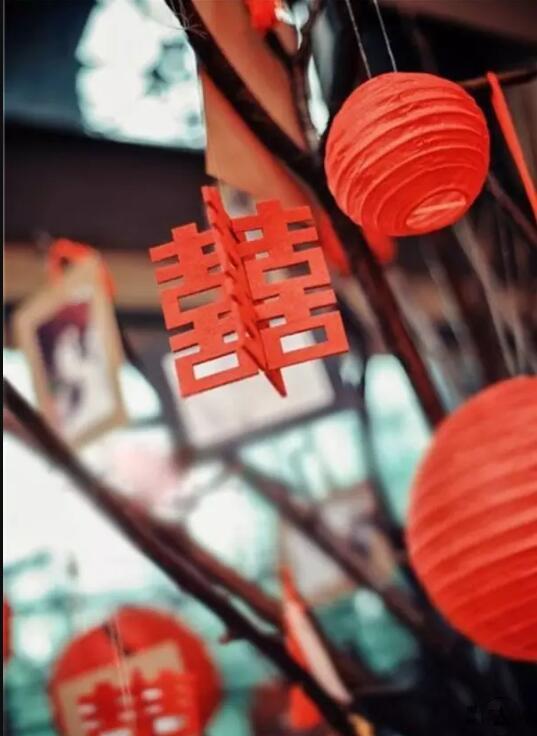
Marriage
After the twenty-third, folk belief holds that the gods have ascended to heaven and there are no taboos. Marrying daughters or sons-in-law does not require choosing an auspicious date, called "rushing chaotic marriages." Many weddings are held until the end of the year.
There is a folk rhyme: "At the end of the year, villages are busy with marriages; spring invitation cards tease the spring light. Sisters whisper before the lamp, this year’s New Year's Eve is the bridal chamber."
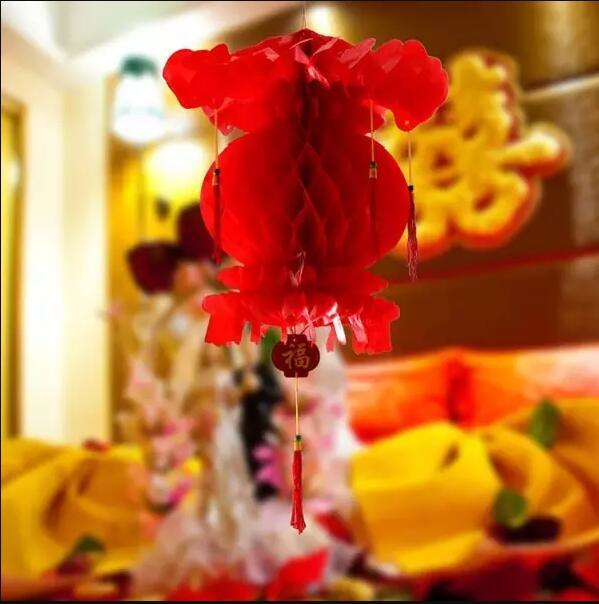
Everyone recites a road home
Every road ties the hearts of a family
Even if crossing thousands of mountains and seas
Passing through crowds of people
Returning home for the New Year, going home for the New Year
"Year" means "home"
It is the day family members look forward to
It is the day old friends reunite
It is the day of annual reunion
A parent's love is endless, the joy of returning home is timely
The Little New Year arrives, the New Year atmosphere grows stronger
Reminding every wanderer that the return date is near
May your hometown accent remain unchanged, may you be safe and happy
Pack your bags and go home
Meet once, have a meal
Even if brief, it is a reunion
Wishing you a safe and warm Little New Year
There is a date to return home 
Hotline
Email: btgj6666@163.com
Address: Houjiagou, Jiaokou Township, Hubin District, Sanmenxia City

Copyright © Sanmenxia Lerenjia Food Co., Ltd.
Powered by :www.300.cn Supported IPV6 Privacy Agreement